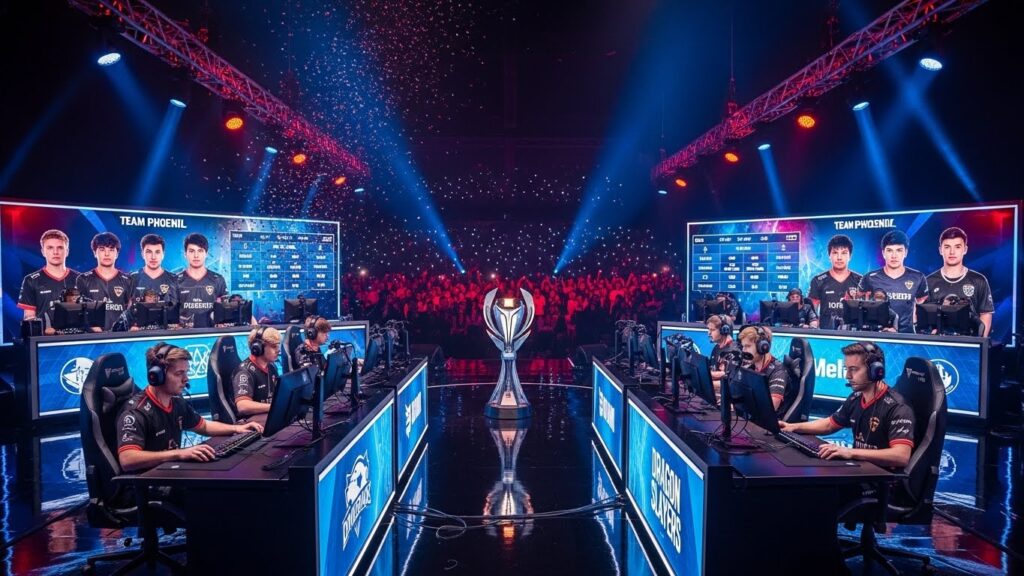
Esports, or electronic sports, has transformed from a niche hobby into a global phenomenon, attracting millions of viewers, players, and investors. What began as casual multiplayer competitions in arcades and living rooms has now become a professional industry with dedicated teams, massive tournaments, and a fanbase that rivals traditional sports. This blog explores the rise of esports, the infrastructure that supports it, the community that drives it, and its impact on the global entertainment landscape.
The Origins of Competitive Gaming
The roots of esports can be traced back to the early days of video gaming in the 1970s and 1980s. Games such as Pong, Space Invaders, and Pac-Man captured the attention of players who competed locally for high scores and bragging rights. Competitive gaming evolved slowly, but the 1990s marked a turning point with the advent of multiplayer-focused games like Street Fighter II, Doom, and Quake. These titles allowed players to face each other directly, forming the basis for organized tournaments.
Early esports competitions were relatively small and local, but they laid the groundwork for larger events. One notable example is the Red Annihilation Quake tournament of 1997, which drew participants from across the country and awarded significant prizes. These early competitions demonstrated that there was an appetite for organized gaming events, setting the stage for the future professionalization of esports.
The Rise of Esports as an Industry
The 2010s marked a period of explosive growth for esports. The development of competitive online games like League of Legends, Dota 2, Counter-Strike: Global Offensive, and Overwatch provided structured environments for players to showcase skill and strategy. These games featured complex mechanics and required teamwork, making them ideal for organized competitions.
The success of these games led to the creation of professional esports organizations. Players signed contracts, teams were formed, and prize pools grew exponentially. Tournaments like Dota 2’s The International have offered prize pools exceeding tens of millions of dollars, attracting top talent from around the world. This shift turned esports from a hobbyist activity into a legitimate career path for professional players.
Streaming platforms played a crucial role in bringing esports to a wider audience. Platforms such as Twitch and YouTube Gaming enabled fans to watch competitions live, interact with players, and build communities around their favorite games. This real-time engagement created a new model of sports entertainment that blended interactive media, gaming culture, and live performance.
The Professional Infrastructure of Esports
Modern esports operates much like traditional sports, with leagues, tournaments, and structured team organizations. Professional leagues such as the Overwatch League, Call of Duty League, and League of Legends Pro League have city-based teams that compete in regular seasons. Teams hire coaches, analysts, and even mental health professionals to ensure players perform at their best. Training routines often mirror those of traditional athletes, including strategy planning, practice matches, and physical conditioning.
Major tournaments draw global attention. Events such as the League of Legends World Championship and Dota 2’s The International are broadcast internationally and attract millions of viewers. Beyond the competition itself, these events feature live entertainment, fan engagement activities, and sponsor activations, creating a full-scale entertainment experience.
Esports organizations also function as businesses. They generate revenue through sponsorships, merchandise, media rights, and streaming partnerships. Investment from major corporations and traditional sports organizations has helped solidify the financial stability of the industry. Brands like Intel, Coca-Cola, and Red Bull sponsor events and teams, while sports franchises increasingly establish their own esports divisions.
The Global Fanbase and Community Engagement
One of the defining features of esports is its dedicated and diverse fanbase. Unlike traditional sports, where fandom is often tied to geographic regions, esports fans follow specific games, teams, or players. Fans engage with esports through live streams, social media, and in-game content, creating a highly interactive experience.
Esports communities are often global, with players and fans from all continents participating in competitions and discussions. The accessibility of esports, requiring only a computer or gaming console, allows individuals from various backgrounds to compete professionally. This international reach fosters inclusivity and cultural exchange, creating a vibrant global community.
The fan experience is enhanced by the interactive nature of esports. Viewers can learn from professional players, watch live commentary, and even participate in community-driven events. Games such as Fortnite and Valorant include features that allow fans to follow trends, vote on in-game content, and engage with their favorite streamers, strengthening the bond between players and their audience.
The Impact of Esports on Entertainment and Gaming
Esports has significantly influenced the broader entertainment industry. Major media networks now cover esports events, recognizing their popularity and potential revenue. Streaming platforms have become central hubs for both casual viewers and hardcore fans. In some cases, esports events rival traditional sporting events in viewership numbers, signaling a major shift in global entertainment consumption.
The convergence of esports with music, fashion, and pop culture has also created new opportunities for cross-industry collaborations. High-profile tournaments often include live performances, celebrity appearances, and merchandising tie-ins. This fusion of gaming and entertainment has helped position esports as a cultural force rather than just a niche activity.
In the gaming industry, esports has prompted developers to design competitive-friendly games with long-term playability. Balancing mechanics, supporting competitive modes, and providing frequent updates ensures that games remain engaging for both players and spectators. This focus on competitive gameplay has elevated the overall quality of new video games and encouraged a deeper level of strategic thinking among players.
Challenges Facing the Esports Industry
Despite its rapid growth, esports faces several challenges. One significant concern is player health. Professional gamers often spend long hours training, which can lead to physical issues such as repetitive strain injuries, back problems, and eye strain. The intense competitive environment can also contribute to mental health issues, including stress, anxiety, and burnout. As a result, organizations are beginning to emphasize wellness programs and balanced training routines.
Another challenge is maintaining inclusivity and diversity. Although progress has been made in terms of gender and racial representation, esports remains male-dominated. Creating safe and supportive environments for all players is essential to the long-term growth and credibility of the industry.
Regulation and fair play are also important issues. As esports expands, incidents of cheating, match-fixing, and unsportsmanlike behavior can threaten the integrity of competitions. Establishing transparent rules, governing bodies, and enforcement mechanisms will be crucial to maintaining trust among players, fans, and sponsors.
The Future of Esports
The future of esports looks promising, with continued growth in audience size, sponsorship, and technological innovation. Virtual reality and augmented reality may play a larger role, offering immersive experiences for both players and viewers. Mobile esports is also expanding rapidly, with games on smartphones attracting massive audiences in regions where console or PC gaming is less accessible.
Education and professional development within esports are also emerging. Universities are offering scholarships for esports athletes, and academic programs are being developed to prepare students for careers in game design, marketing, and esports management. This trend further legitimizes esports as a career path and highlights its importance in the broader economy.
Moreover, esports will likely continue influencing mainstream culture. As gaming becomes more integrated into entertainment, education, and social interaction, the distinction between esports and traditional media will blur. The industry will evolve, creating new forms of storytelling, competition, and community engagement.
Conclusion: Esports as a Cultural and Economic Force
Esports has grown from humble beginnings in local arcades to a global industry with a significant cultural and economic impact. It has created new career opportunities, built passionate communities, and influenced entertainment and gaming culture worldwide. The rise of esports demonstrates the power of digital platforms to reshape how we compete, interact, and entertain ourselves.
As technology advances and audiences continue to grow, esports will remain at the forefront of competitive gaming and digital entertainment. For players, fans, and investors alike, esports represents an exciting frontier where skill, strategy, and innovation come together in a global spectacle. The journey of esports is far from over, and its continued evolution promises to redefine the very meaning of sports and entertainment in the digital age.