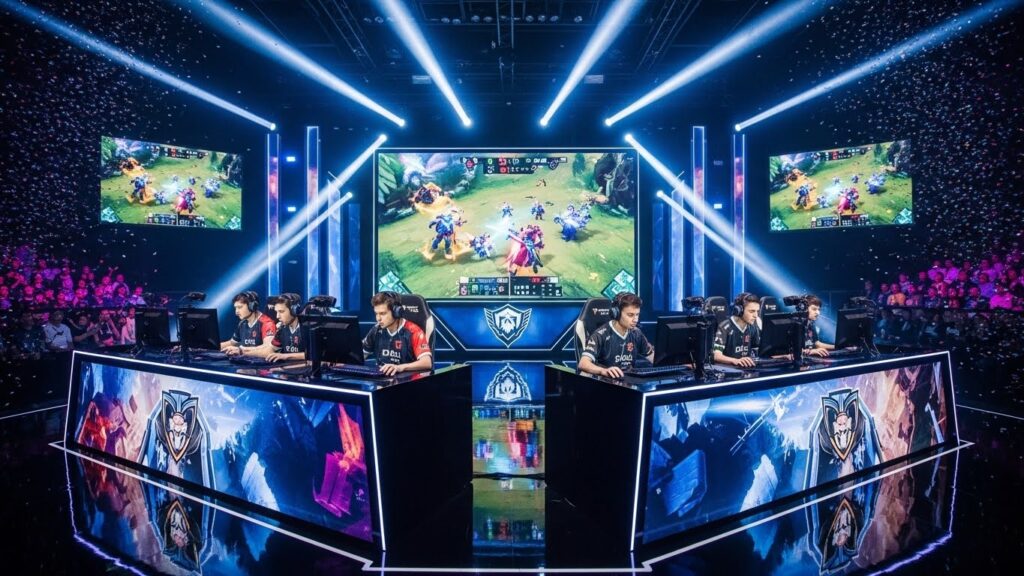
Introduction: The Dawn of a Digital Revolution
Esports, short for electronic sports, has evolved from a niche hobby into a worldwide phenomenon, attracting millions of fans and players alike. What began as casual competitions among friends has grown into a sophisticated industry complete with professional teams, international tournaments, sponsorships, and broadcasting rights rivaling traditional sports. This transformation has been driven by technological innovation, online connectivity, and the growing cultural acceptance of gaming as a legitimate form of entertainment. In this article, we explore the evolution of esports, its societal impact, and the future of competitive gaming on a global scale.
The Humble Beginnings: From Arcade Tournaments to LAN Competitions
The roots of esports can be traced back to the 1970s and 1980s when video games became widely available in arcades. Early competitions, such as high-score contests for games like Space Invaders and Pac-Man, were community-driven events where players demonstrated their skills to local audiences. These gatherings were small, informal, and primarily motivated by the love of the game rather than financial reward.
As technology advanced and home consoles became more accessible, competitive gaming began to move beyond arcades. The 1990s saw the emergence of LAN parties, where players connected multiple computers to compete in real-time games. Titles like Doom, Quake, and StarCraft became iconic in the competitive scene. LAN tournaments created a sense of community and fostered the early competitive gaming culture, laying the foundation for the professional esports industry.
The Rise of Online Gaming and Global Connectivity
The turn of the millennium marked a turning point for esports with the widespread adoption of the internet. Online multiplayer games allowed players from different countries to compete against each other, creating a global stage for talent and innovation. Games such as Counter-Strike, Warcraft III, and DotA became popular for competitive play, attracting audiences far beyond local tournaments.
The accessibility of online gaming also enabled the formation of organized leagues and teams. Players could now practice remotely, participate in structured competitions, and gain recognition on a larger scale. Early online leagues and tournaments provided opportunities for gamers to transition from casual players to semi-professional competitors, fostering the professionalization of esports.
The Esports Boom: Professional Leagues and Massive Tournaments
By the 2010s, esports had firmly established itself as a major entertainment industry. The introduction of professional leagues and high-stakes tournaments elevated competitive gaming to new heights. Titles such as League of Legends, Dota 2, and Counter-Strike: Global Offensive became synonymous with competitive play. These games offered platforms for players to showcase extraordinary skill, and tournaments began offering prize pools that rivaled traditional sports events.
One notable milestone in esports history was the emergence of Dota 2’s The International tournament, which consistently featured multi-million-dollar prize pools. This level of financial reward demonstrated that esports could provide sustainable careers for top players and signaled a shift from hobbyist competition to a full-fledged professional industry.
The growth of streaming platforms such as Twitch and YouTube further fueled esports’ expansion. Fans could watch their favorite players compete live, interact in real-time, and follow the progression of tournaments from anywhere in the world. This direct connection between players and audiences strengthened the community and created celebrity status for top esports athletes.
The Structure of the Esports Ecosystem
Esports is supported by a complex ecosystem that includes players, teams, organizers, sponsors, and fans. Each stakeholder plays a vital role in the industry’s growth and sustainability.
Players and Teams
Players are the core of esports, and their skill, strategy, and charisma drive fan engagement. Professional players dedicate significant time to practice, often exceeding eight hours per day, similar to traditional athletes. Teams provide the structure necessary for success, including coaching staff, analysts, and support personnel who help develop strategies, enhance performance, and maintain the mental well-being of players. Teams also compete in leagues, representing their organizations on both national and international stages.
Tournament Organizers and Game Developers
Tournament organizers and game developers are instrumental in creating competitive platforms. Companies like Riot Games, Valve, and Blizzard Entertainment design tournaments, establish league structures, and ensure fair play. Third-party organizations, such as ESL and DreamHack, also play a pivotal role in organizing events, managing logistics, and broadcasting competitions to global audiences.
Sponsors and Brands
Sponsorships are critical for the financial stability of esports. Brands from technology, energy drinks, apparel, and automotive sectors invest in tournaments and teams to gain exposure and connect with a younger, digitally-savvy audience. Sponsorship deals provide teams with resources for salaries, training facilities, and marketing, while tournaments benefit from increased prize pools and production quality.
Fans and Communities
Fans are the lifeblood of esports. Millions of viewers watch tournaments live, engage with players on social media, and participate in gaming communities online. Esports fans are highly engaged, often attending events in person, streaming content, purchasing merchandise, and supporting players through platforms that allow for direct contributions. The loyalty and enthusiasm of fans create a vibrant culture around competitive gaming.
The Cultural and Social Impact of Esports
Esports has reshaped perceptions of gaming and influenced broader cultural trends. It has legitimized gaming as a potential career path, leading to the creation of esports scholarships, training programs, and specialized education in game strategy and management. Competitive gaming demonstrates that video games are not merely recreational activities but can offer professional opportunities, financial success, and global recognition.
The rise of esports has also fostered digital communities that transcend geographic boundaries. International tournaments bring together players and fans from different countries, creating a shared culture that emphasizes skill, teamwork, and sportsmanship. Online platforms allow fans to interact in real time, enhancing the social and participatory aspects of competitive gaming.
Diversity and inclusion are emerging themes within esports. Historically, gaming has been male-dominated, but women and underrepresented groups are increasingly gaining visibility and opportunities. Initiatives aimed at promoting inclusivity, mental health awareness, and fair competition are helping create a more balanced and welcoming environment for all participants.
Technological Advancements Driving Esports
Technological innovation continues to shape esports in profound ways. High-speed internet, advanced graphics, and immersive streaming experiences have made it possible for fans to follow tournaments in real time with unprecedented clarity. Virtual reality and augmented reality technologies hold the potential to revolutionize how players compete and how audiences engage with content.
Data analytics and AI are also transforming training and strategy in esports. Teams analyze gameplay data to improve performance, develop counter-strategies, and optimize decision-making in real-time matches. These tools provide a competitive edge, much like analytics in traditional sports, and demonstrate the professionalization and sophistication of esports management.
Challenges Facing the Esports Industry
Despite its rapid growth, esports faces several challenges. The intense schedule and high-pressure environment can take a toll on players’ physical and mental health. Burnout, stress, and repetitive strain injuries are common concerns, prompting organizations to implement wellness programs and professional support services.
Regulatory challenges also exist, particularly regarding fair play, cheating, and player contracts. As esports continues to grow, establishing standardized rules, player rights, and ethical guidelines becomes increasingly important to maintain credibility and sustainability.
Additionally, mainstream acceptance is still evolving. While younger generations view esports as legitimate entertainment, some older demographics remain skeptical of its value as a sport. Overcoming these perceptions will be crucial for continued growth and cultural integration.
The Future of Esports: Expansion and Innovation
The future of esports is filled with opportunity. As technology advances, esports will become more immersive, interactive, and globally accessible. Virtual tournaments, AI-driven training, and enhanced broadcasting capabilities will redefine how players compete and how audiences engage.
The potential inclusion of esports in events like the Olympic Games is another frontier. While controversial, it represents recognition of the skill, dedication, and global appeal of competitive gaming. Esports may also continue to expand into emerging markets, reaching new audiences and inspiring new generations of players.
Furthermore, esports will likely influence other entertainment sectors. Crossovers with music, film, and fashion are already visible, creating new avenues for engagement and monetization. Esports is not just a sport; it is a cultural phenomenon that intersects with lifestyle, technology, and entertainment in unprecedented ways.
Conclusion: Esports as a Cultural Mainstay
From humble arcade competitions to multi-million-dollar tournaments watched by millions worldwide, esports has evolved into a global cultural force. Its growth is fueled by innovation, community engagement, and the universal appeal of competition. Esports has redefined what it means to be an athlete, a fan, and an entertainer in the digital age.
The journey of esports is far from over. With technological advancements, increasing mainstream acceptance, and a passionate global community, competitive gaming is set to continue its rise as one of the most influential entertainment industries of the twenty-first century. The era of esports is not a passing trend—it is a permanent fixture in the landscape of global culture and entertainment.