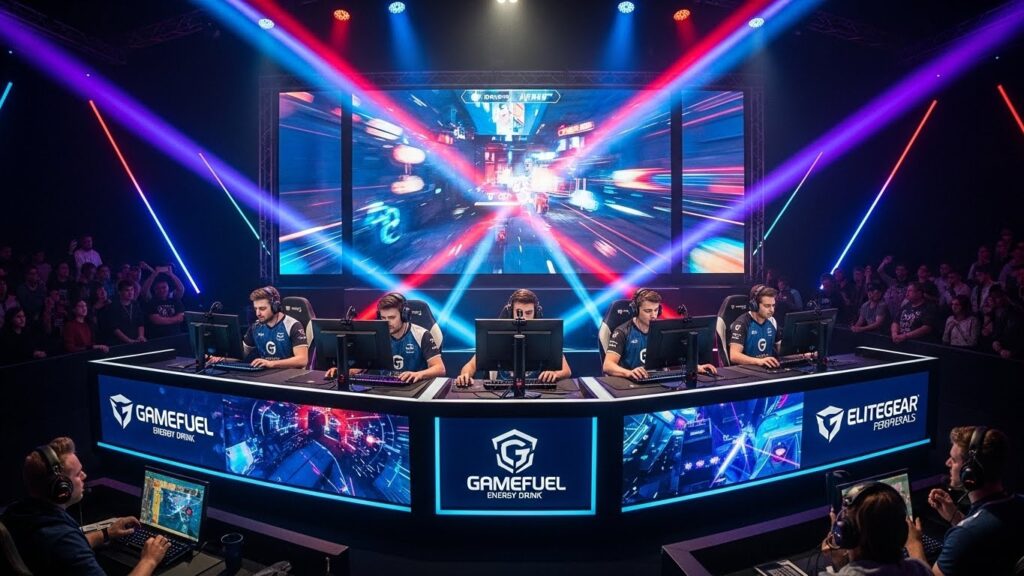
Introduction: A New Era of Entertainment
The world of competitive gaming has evolved at a rapid pace over the past few decades. What once started as casual video game tournaments in basements and arcades has now grown into a multi-billion-dollar industry that attracts millions of viewers and participants worldwide. eSports—competitive gaming played professionally—has taken the digital world by storm, transforming into a global phenomenon that now rivals traditional sports in terms of viewership, prize pools, and cultural influence.
As technology continues to improve and gaming becomes more immersive, eSports is poised to become one of the dominant forms of entertainment. This blog delves into the rise of eSports, its cultural significance, the mechanics of professional competition, and what the future holds for this growing digital arena.
The Beginnings of eSports: From Local Competitions to Global Arenas
The journey of eSports can be traced back to the early days of video gaming in the 1970s and 1980s. Arcade games like Space Invaders and Pong were among the first to spark competitive play. While these games were relatively simple by today’s standards, they laid the groundwork for the competitive gaming community we see today.
In the 1990s, as the internet began to grow and gaming technology advanced, online multiplayer games became a reality. Games like Quake and Warcraft introduced players from around the world to real-time competitive gameplay. These early online tournaments attracted a small, dedicated community, and these events were streamed on primitive video platforms or even broadcast on TV in some countries.
However, it was the 2000s that truly marked the beginning of modern eSports. The rise of the internet allowed for the proliferation of online multiplayer games, and platforms like Twitch and YouTube helped take competitive gaming into the mainstream. High-profile tournaments such as The International for Dota 2 and League of Legends World Championships started drawing massive audiences, establishing eSports as a legitimate, global entertainment medium.
The eSports Ecosystem: A Complex Web of Competition, Teams, and Fans
At its core, eSports is a highly organized system involving professional players, teams, game developers, tournament organizers, and fans. Over the years, a professional eSports ecosystem has developed that mirrors the structure of traditional sports leagues.
Professional Players and Teams
Just like traditional sports, eSports features professional players who dedicate countless hours to training, strategizing, and perfecting their skills. These players often specialize in one game, and their training regimens are as intense as those of athletes in any physical sport. Top eSports players typically compete in high-stakes tournaments around the world, with prize pools often reaching millions of dollars.
Teams are an essential part of the competitive scene. Major organizations such as Cloud9, FaZe Clan, and G2 Esports sponsor teams that compete in a variety of games, from League of Legends and Counter-Strike: Global Offensive (CS:GO) to Fortnite and Valorant. These teams consist of a mix of players, coaches, analysts, and managers, all working together to strategize and maximize their chances of victory.
Tournaments and Leagues
eSports tournaments are where the true spectacle of competitive gaming unfolds. These events often feature the best players from around the world, competing for cash prizes, sponsorships, and titles. Some of the most prestigious tournaments include The International for Dota 2, League of Legends World Championship, and the Overwatch League.
The structure of eSports tournaments varies by game and region, but many tournaments are organized through professional leagues, including regional competitions followed by world finals. These leagues ensure that the best talent rises to the top, and that each season is filled with intense, high-stakes competition. Major tournaments are often broadcast live, attracting millions of viewers both online and in-person.
The Economic Impact of eSports: A Multi-Billion Dollar Industry
In recent years, eSports has emerged as a multi-billion-dollar industry. According to various reports, the global eSports market was valued at over $1.08 billion in 2021, with projections for steady growth in the coming years. This growth can be attributed to several factors, including increased viewership, growing corporate sponsorships, advertising revenue, and the commercialization of professional gaming leagues.
Sponsorships and Advertising
Sponsorships play a major role in the eSports economy. Just like traditional sports, major brands from sectors such as technology, consumer goods, and even automotive companies have begun sponsoring eSports events and teams. Brands like Coca-Cola, Intel, Nike, and BMW now have prominent logos featured in tournament broadcasts and team uniforms. These sponsorships have helped elevate eSports from a niche hobby to a mainstream cultural force.
Revenue from Streaming
Live streaming is another major revenue stream for eSports. Platforms like Twitch, YouTube Gaming, and Facebook Gaming host countless hours of live eSports broadcasts, giving fans the ability to watch their favorite players and teams in real-time. These platforms not only host live tournaments but also feature streamers who build personal brands, engage with audiences, and generate revenue through donations, subscriptions, and advertising. The ability for viewers to interact with streamers has transformed the passive act of watching a tournament into an immersive experience.
Merchandising and Licensing
Merchandise sales are a growing revenue source for eSports organizations. Fans of teams or individual players can buy jerseys, posters, gaming peripherals, and other branded items to show their support. Additionally, eSports tournaments and game developers often license their intellectual property for use in games, merchandise, and other forms of media, creating additional income.
The Appeal of eSports: Why Millions Are Watching
There are several factors that contribute to the appeal of eSports. One key reason is that eSports combines the excitement of competitive sports with the accessibility and engagement of digital entertainment. For many fans, watching eSports feels just like watching traditional sports, with the added bonus of being able to interact with players and other fans in real-time.
The Social Aspect
eSports has a social component that makes it uniquely appealing. Much like watching a live football match, fans of eSports often come together online or in-person to watch tournaments. Many fans create online communities where they can discuss strategies, cheer for their favorite players, and share their excitement. These communities often extend beyond the game itself, with fans following players’ personal lives, interacting on social media, and attending meetups or fan conventions.
Global Reach and Accessibility
Another major factor is eSports’ global reach and accessibility. Unlike traditional sports, which may be confined to a specific geographic region, eSports transcends borders. Players can compete against opponents from different countries, and tournaments can be watched by fans from any part of the world. This level of accessibility has helped expand eSports’ popularity among a diverse, global audience.
Challenges and Controversies in eSports
While eSports has grown rapidly, the industry has not been without its challenges. Issues such as player burnout, match-fixing scandals, and the treatment of female players have raised concerns among fans and industry professionals alike.
Player Burnout
One of the biggest concerns in eSports is the potential for burnout. Professional players often train for 10-12 hours a day, and this intense schedule can take a toll on their mental and physical well-being. As the pressure to perform continues to grow, many players experience fatigue, anxiety, and stress, which can shorten their careers and impact their performance.
Gender Equality
The eSports community has also faced criticism for its lack of diversity, particularly in regard to gender. Female players and streamers often face discrimination and harassment, which has led to calls for greater inclusivity in the industry. While there have been some strides in promoting gender equality, there is still a long way to go before eSports becomes fully inclusive and accessible to everyone.
The Future of eSports: What’s Next?
The future of eSports looks incredibly bright. As technology continues to evolve, so too will the way we experience competitive gaming. Virtual reality (VR) and augmented reality (AR) are poised to revolutionize eSports, providing fans with immersive, interactive viewing experiences. Additionally, the rise of mobile gaming and the increasing popularity of mobile eSports will help expand the reach of competitive gaming to new audiences.
The industry is also expected to continue growing, with more professional leagues, larger prize pools, and further corporate investment. As eSports becomes a legitimate career path for many players, the role of coaches, analysts, content creators, and event organizers will continue to evolve, providing new job opportunities in the gaming ecosystem.
Conclusion: eSports—A Cultural Force
eSports has come a long way from its humble beginnings as a niche hobby. Today, it is a cultural force that connects millions of players and fans from around the world. As the industry continues to evolve, we can expect even greater innovation, larger audiences, and more recognition from the global entertainment community. Whether you’re a casual gamer, a dedicated fan, or a professional player, eSports is more than just a game—it’s a movement that is reshaping the future of entertainment, competition, and digital culture.