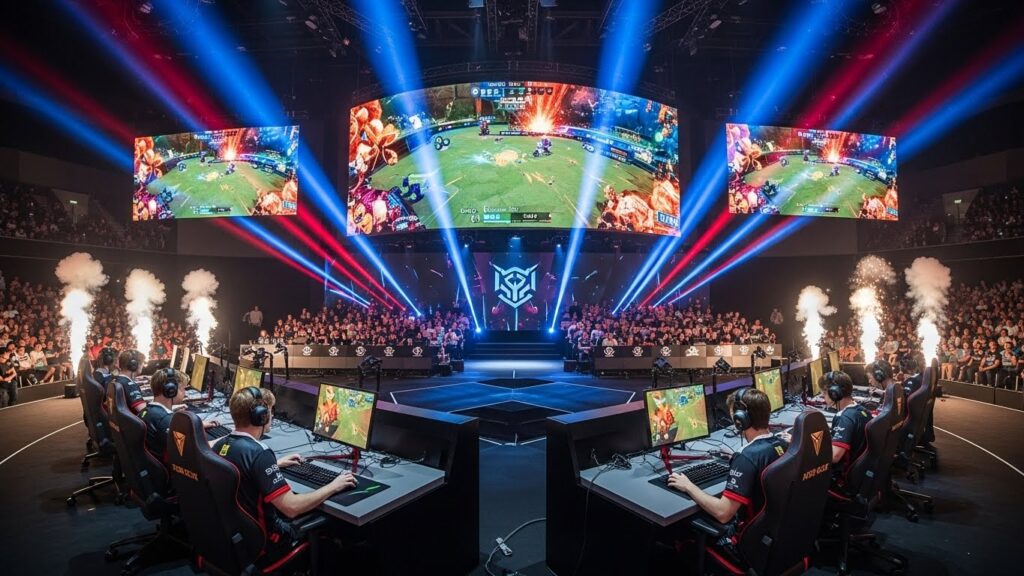
Introduction: The Rise of Competitive Gaming
Esports, once considered a niche hobby confined to bedrooms and internet cafés, has transformed into a global phenomenon that rivals traditional sports in popularity and influence. What began as casual competition among friends has evolved into organized tournaments, professional teams, massive audiences, and thriving careers. Today, esports is not just about playing video games; it is about entertainment, community, technology, and culture. This blog explores how esports emerged, why it captivates millions, and what its future may hold.
Understanding Esports: More Than Just Games
Esports refers to organized, competitive video gaming where individuals or teams compete under standardized rules. Unlike casual gaming, esports demands discipline, strategy, teamwork, and consistent training. Players specialize in specific games, mastering mechanics, tactics, and decision-making under pressure. These competitions are often broadcast to global audiences, turning gameplay into a spectator experience similar to watching football, basketball, or cricket.
A Brief History of Esports
The roots of esports trace back several decades, with early video game competitions held in arcades and small venues. As technology advanced and the internet became widespread, competitive gaming found a new home online. Multiplayer games allowed players from different regions to compete, and tournaments gradually grew in scale. Over time, developers began designing games specifically for competitive play, accelerating the professionalization of esports and attracting sponsors, media attention, and investment.
Popular Esports Genres and Games
Esports is not limited to one type of game. Multiple genres contribute to its diversity and appeal. Multiplayer online battle arena games emphasize teamwork and strategic control of maps. First-person shooters focus on precision, reflexes, and coordination. Real-time strategy games reward planning and adaptability, while sports simulation games mirror real-world athletics in a digital format. This variety ensures that esports appeals to different tastes, skill sets, and audiences.
The Life of a Professional Esports Player
Becoming a professional esports player requires far more than talent alone. Players often train for long hours, practicing mechanics, studying opponents, and refining strategies. Team environments resemble traditional sports organizations, complete with coaches, analysts, and support staff. Physical fitness, mental resilience, and communication skills are increasingly recognized as essential components of success. While the career span of players can be shorter than in traditional sports, the dedication required is just as intense.
Esports as a Spectator Experience
One of the most remarkable aspects of esports is its ability to engage viewers. Live broadcasts feature professional commentary, in-depth analysis, and high production values. Audiences can follow their favorite teams, celebrate dramatic comebacks, and experience the tension of high-stakes matches. Interactive elements, such as live chats and fan engagement tools, create a sense of community that strengthens the bond between players and fans.
The Role of Technology in Esports Growth
Technology is the backbone of esports. High-speed internet, powerful gaming hardware, and advanced streaming platforms make global competition possible. Game developers continually update their titles to maintain balance and excitement, while event organizers use sophisticated tools to manage tournaments and broadcasts. Innovations such as virtual reality, augmented reality, and data analytics are beginning to influence how esports is played and viewed, suggesting even greater transformation ahead.
Economic Impact and Career Opportunities
Esports has grown into a significant economic sector. Revenue streams include sponsorships, advertising, merchandise, media rights, and ticket sales. Beyond players, the industry supports careers in coaching, event management, broadcasting, marketing, and content creation. Educational institutions have also begun offering programs related to esports, recognizing its potential as a legitimate career path for future generations.
Esports and Youth Culture
Esports resonates strongly with younger audiences who grew up with digital technology. It reflects their interests, communication styles, and sense of identity. Through esports, young people find role models, communities, and opportunities for self-expression. At the same time, discussions around balance, health, and responsible gaming have become increasingly important, encouraging a more sustainable approach to competitive play.
Global Reach and Cultural Exchange
One of esports’ greatest strengths is its global nature. Players and teams from different countries compete on equal footing, fostering cultural exchange and mutual respect. International tournaments bring together diverse audiences, breaking down language and geographical barriers through shared passion. This global connectivity positions esports as a unique platform for cross-cultural interaction in the digital age.
Challenges Facing the Esports Industry
Despite its success, esports faces challenges that must be addressed for long-term stability. Issues such as player burnout, inconsistent regulations, and concerns about fair play require careful management. The rapid pace of growth can also create financial risks for organizations that expand too quickly. Addressing these challenges will require collaboration between developers, teams, governing bodies, and communities.
The Future of Esports
The future of esports appears promising, with continued growth in audiences, investment, and innovation. As technology evolves, esports may integrate more immersive experiences and reach even wider demographics. Greater recognition from mainstream media and institutions could further legitimize competitive gaming. Ultimately, esports is likely to continue reshaping how society defines sports, competition, and entertainment.
Conclusion: A New Era of Competition
Esports represents a new era where digital competition stands alongside traditional athletics. It combines skill, strategy, and storytelling in a format that resonates with modern audiences. As it continues to evolve, esports will not only entertain but also influence culture, technology, and global connection. What began as simple gameplay has become a powerful force, proving that competition knows no boundaries when passion and innovation come together.