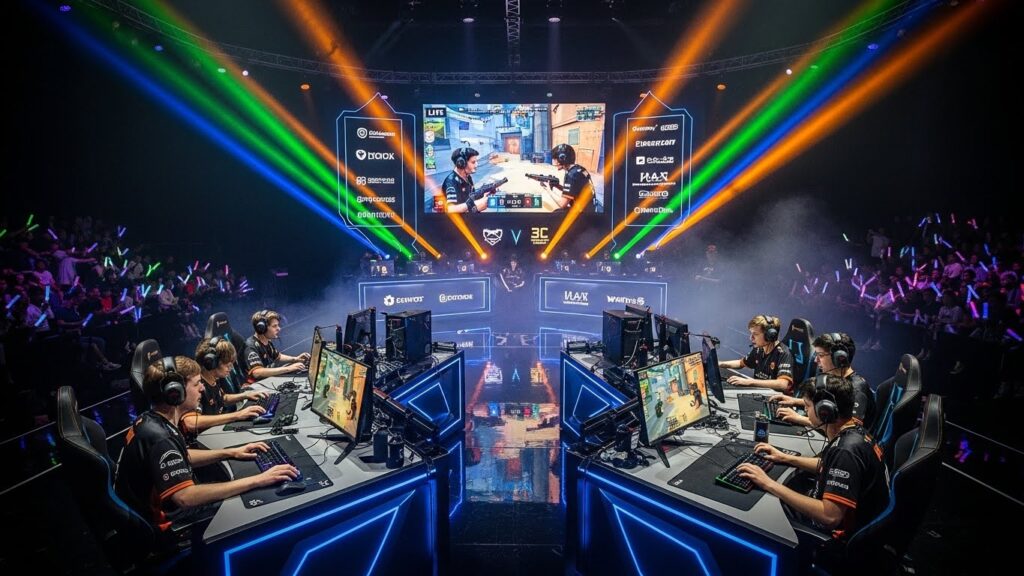
Introduction: The Rise of a Digital Arena
In the past, the word “sports” instantly brought to mind physical stadiums, roaring crowds, and athletes pushing their bodies to the limit. Today, a new kind of arena has taken center stage, one built not from concrete and grass but from pixels, processors, and passion. Esports, or competitive video gaming, has grown from a niche hobby into a global phenomenon that rivals traditional sports in viewership, revenue, and cultural impact. What was once dismissed as simple entertainment is now a professional industry shaping how people play, watch, and even work.
Esports is not just about games. It is about community, strategy, discipline, and opportunity. From teenagers competing in local tournaments to professionals performing on international stages, esports has created a new definition of competition for the digital age.
Understanding Esports: More Than Just Playing Games
At its core, esports refers to organized, competitive video gaming. Players or teams compete against each other in structured tournaments, often governed by leagues, rules, and professional standards. Popular esports titles span multiple genres, including multiplayer online battle arenas, first-person shooters, real-time strategy games, and sports simulations.
Unlike casual gaming, esports demands intense preparation. Professional players train for hours each day, studying game mechanics, analyzing opponents, refining teamwork, and maintaining mental focus. Strategy, communication, and quick decision-making are just as important as raw reflexes. This level of discipline is what separates esports from recreational play and elevates it into a legitimate competitive field.
A Brief History: From Arcades to Global Stadiums
The roots of esports can be traced back to the early days of video games, when players competed for high scores in arcades. Small tournaments began to appear, often organized by gaming communities or developers. As internet connectivity improved, competitive gaming moved online, allowing players from different regions to face each other without leaving home.
The real turning point came with the rise of live streaming platforms and improved broadcast technology. Suddenly, millions of viewers could watch competitions in real time, follow their favorite players, and engage with communities around the world. Major tournaments began filling large venues, complete with commentators, analysts, and production teams. Esports had officially entered the mainstream.
The Esports Ecosystem: Players, Teams, and Organizations
Esports is supported by a complex ecosystem that goes far beyond the players on screen. Professional teams operate much like traditional sports franchises, with coaches, managers, analysts, and support staff. These organizations sign players to contracts, manage training schedules, and represent brands in competitions.
Players themselves often specialize in specific roles within a game, requiring a deep understanding of their responsibilities and how they interact with teammates. Team chemistry is crucial, and success often depends on communication and trust as much as individual skill.
Behind the scenes, tournament organizers, game developers, and production crews work together to create events that are engaging, fair, and entertaining. This collaborative structure has helped esports grow into a sustainable and professional industry.
Esports as Entertainment: A New Way to Watch Competition
One of the most significant aspects of esports is how it is consumed. Fans do not just watch matches; they participate in a shared experience. Live chats, social media discussions, and fan communities create a sense of belonging that extends beyond the competition itself.
Commentators play a key role in making esports accessible. They explain strategies, highlight key moments, and bring energy to broadcasts, much like commentators in traditional sports. High-quality production, dramatic storylines, and rivalries add to the excitement, making esports events compelling even for viewers who may not play the games themselves.
The Business of Esports: Growth and Opportunity
The esports industry has become a major economic force. Revenue streams include sponsorships, advertising, merchandise, ticket sales, and media rights. Brands from technology, fashion, food, and automotive industries have recognized the value of reaching esports audiences, particularly younger generations who may not engage with traditional advertising.
This growth has created a wide range of career opportunities. While professional players receive the most attention, the industry also needs content creators, marketers, event managers, designers, developers, and journalists. Esports has opened doors for people with diverse skills to build careers around their passion for gaming.
Training and Mental Strength: The Athlete Behind the Screen
Despite common misconceptions, esports players face significant physical and mental challenges. Long training sessions require proper posture, hand-eye coordination, and stamina. Many teams now emphasize physical fitness, nutrition, and sleep to maintain peak performance.
Mental resilience is equally important. High-pressure matches, public scrutiny, and the constant need to perform can take a toll on players. Managing stress, staying focused, and bouncing back from losses are critical skills. As a result, sports psychologists and wellness coaches are becoming increasingly common in professional esports organizations.
Global Reach and Cultural Impact
Esports is a truly global phenomenon. Players and fans come from every corner of the world, bringing diverse cultures and perspectives together through shared competition. International tournaments showcase this diversity, with teams representing different regions and styles of play.
This global nature has helped esports break down cultural barriers. Language differences matter less when the game itself is the shared language. Fans connect through their love of competition, creating friendships and communities that transcend geography.
Esports has also influenced popular culture. Gaming terminology, fashion inspired by team jerseys, and references to esports events now appear in mainstream media. What was once considered niche has become part of everyday cultural conversation.
Education and Esports: Learning Through Play
Educational institutions have begun to recognize the value of esports. Schools and universities are creating esports programs, offering scholarships, and integrating gaming into curricula. These programs often focus not only on competition but also on teamwork, leadership, and strategic thinking.
Esports can also serve as a gateway to learning technology skills. Students interested in gaming may develop talents in coding, graphic design, broadcasting, or data analysis. By meeting students where their interests lie, esports has the potential to make education more engaging and relevant.
Challenges and Criticisms
Despite its success, esports faces several challenges. Issues such as player burnout, lack of standardized regulations, and concerns about inclusivity remain important topics of discussion. The industry is still relatively young, and growing pains are inevitable.
There are also ongoing debates about screen time and health, particularly for younger players. Balancing passion with responsibility is essential for the long-term sustainability of esports. Addressing these challenges openly and proactively will determine how the industry evolves in the coming years.
The Future of Esports: What Lies Ahead
Looking ahead, the future of esports appears bright. Advances in technology, such as virtual reality and improved streaming experiences, may further transform how games are played and watched. As internet access expands globally, new regions will contribute talent and audiences to the competitive scene.
Esports is also likely to become more integrated with traditional sports and entertainment. Collaborations, hybrid events, and crossover audiences will continue to blur the lines between digital and physical competition.
Most importantly, esports will keep evolving because it is driven by innovation and community. As long as people are passionate about games and competition, esports will continue to grow and redefine what it means to be an athlete in the modern world.
Conclusion: A New Chapter in Competitive History
Esports represents more than a trend; it is a shift in how society views competition, entertainment, and opportunity. By combining technology, skill, and global connectivity, esports has created a platform where talent can shine regardless of physical limitations or geographic location.
As the industry matures, it will continue to challenge old assumptions and inspire new possibilities. Whether you are a player, a fan, or someone simply curious about this digital revolution, one thing is clear: esports is not just playing games. It is shaping the future of competition itself.