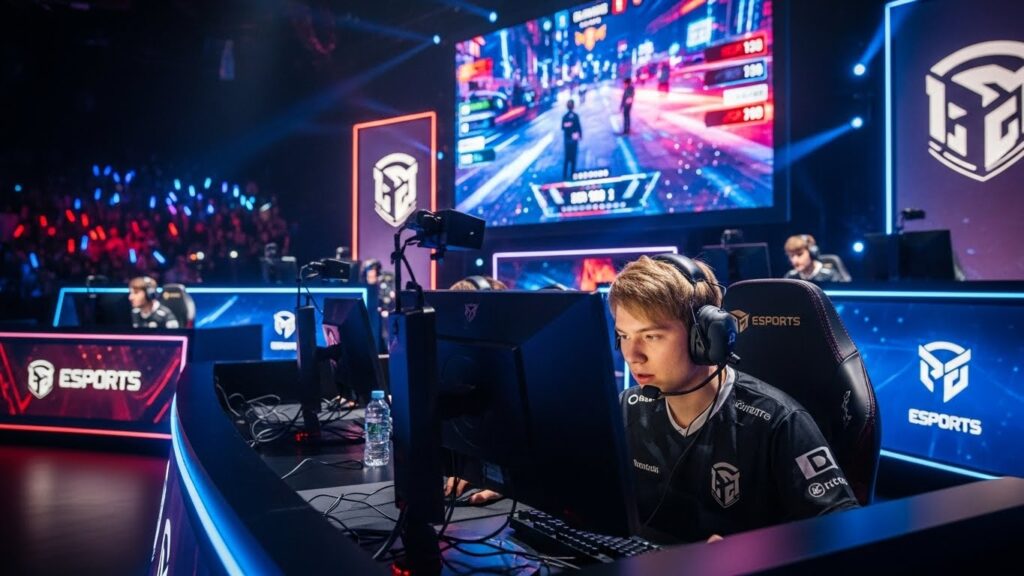
Esports has grown from humble beginnings into a global phenomenon, attracting millions of fans, professional players, and large-scale investments. What once was seen as a niche hobby has now transformed into a mainstream industry with professional leagues, tournaments, sponsorships, and global viewership rivaling traditional sports. Esports blends strategy, skill, teamwork, and entertainment, creating a vibrant ecosystem where digital competition meets cultural impact. This blog explores the evolution, significance, types, professional structure, challenges, and future of esports, shedding light on why it has become one of the most dynamic sectors in modern entertainment.
The Origins of Esports
Competitive gaming is not a new concept. The first instances of organized gaming date back to the early 1970s when universities hosted small-scale tournaments for classic arcade games. These events, while modest, laid the foundation for structured digital competition.
During the 1980s and 1990s, arcade competitions and home console tournaments became increasingly popular. Games like Pac-Man, Space Invaders, and Street Fighter attracted communities of players eager to showcase their skills. Meanwhile, PC games such as Quake and StarCraft introduced networked competition, allowing players to challenge each other remotely.
South Korea played a pivotal role in professionalizing esports during the late 1990s. The nation embraced competitive gaming culture, establishing leagues, television broadcasts, and professional training facilities. This model set the stage for esports to evolve from a recreational activity to a professional career path.
The Digital Revolution and Global Growth
The rise of the internet and high-speed connectivity in the 2000s transformed esports. Players could now compete internationally, breaking geographical barriers. Online platforms allowed tournaments to be broadcast live, attracting large audiences and increasing visibility for both players and sponsors.
Games such as Counter-Strike, League of Legends, Dota 2, and Overwatch became cornerstones of professional esports. Communities thrived online, fueling competition, collaboration, and innovation. With the introduction of streaming platforms, esports viewership exploded, making it accessible to millions who could watch live matches, follow their favorite players, and engage with communities.
Today, esports is a multi-billion-dollar industry with professional organizations, team franchises, coaching staff, analysts, and dedicated fanbases. Global tournaments attract hundreds of thousands of live spectators and millions more online, highlighting its mainstream appeal and cultural significance.
Why Esports is Popular
Several factors contribute to the meteoric rise of esports. Accessibility is a key driver. Unlike traditional sports that often require expensive equipment or specific venues, esports only requires a device and internet connection, making participation and spectating easy.
The competitive thrill is another factor. Esports combines fast-paced action with strategic depth. Players must demonstrate precision, teamwork, and adaptability, creating dynamic and unpredictable matches that keep audiences engaged.
Community involvement further boosts popularity. Esports fans actively engage with content, whether through streaming platforms, discussion forums, or social media. This direct interaction with players and teams creates a sense of belonging and personal investment.
Finally, esports resonates with younger generations who grew up in digital environments. It aligns with their entertainment preferences, communication styles, and cultural references, solidifying esports as a relevant and influential medium.
Major Esports Genres
Esports encompasses a variety of genres, each offering unique challenges and experiences.
Tactical Shooters
These games emphasize precision, reflexes, and strategic teamwork. Popular titles challenge players to execute rapid decision-making, coordination, and positioning. Matches are intense and require both individual skill and group synergy.
Multiplayer Online Battle Arenas (MOBAs)
MOBAs, like League of Legends and Dota 2, focus on team-based strategy. Players must control characters with unique abilities, work collaboratively, and adapt strategies in real-time. MOBAs are renowned for their complexity and depth, appealing to both players and spectators.
Battle Royale Games
Battle royale games, including Fortnite and PUBG, involve large numbers of players competing to be the last one standing. They combine survival mechanics, resource management, and combat, offering unpredictable and thrilling matches.
Sports Simulation Games
Esports also extends to virtual versions of real-world sports. FIFA, NBA 2K, and Madden NFL provide competitive environments for fans of traditional sports, blending realism with gaming mechanics.
Fighting Games
Fighting games focus on individual skill, timing, and mastery of character moves. They are intense, visually engaging, and popular in both casual and competitive circuits.
Structure of Professional Esports
Professional esports mirrors traditional sports in terms of organization and rigor. Teams often operate with coaching staff, analysts, psychologists, and nutrition experts. Players dedicate hours daily to training, refining mechanics, strategy, and teamwork.
Leagues and tournaments form the backbone of professional esports. Franchise-based systems, open qualifiers, and seasonal competitions provide multiple pathways for teams to reach the top. Major tournaments feature global representation, high stakes, and elaborate production, creating spectacles that draw massive viewership.
Player careers in esports are diverse. Beyond competing, professional players can become streamers, content creators, commentators, or coaches. The ecosystem around esports is robust, offering numerous professional opportunities.
The Role of Fans and Communities
Esports thrives because of its fans. Viewers follow teams, participate in online discussions, and attend live events. Unlike traditional sports, esports audiences often interact directly with players through streaming platforms, social media, and online communities.
Communities influence game development as well. Developers frequently consider player feedback when balancing games or introducing updates, making esports an interactive and player-driven experience. Fan engagement also drives sponsorships, media coverage, and cultural impact, solidifying esports as both a sport and a social phenomenon.
Cultural Impact of Esports
Esports has significantly influenced modern culture. It has normalized professional gaming as a career path, especially among younger generations. Esports players are admired for skill, discipline, and strategic thinking, much like traditional athletes.
Esports fosters global collaboration and cross-cultural interaction. Teams composed of players from different countries compete and communicate effectively, bridging language and cultural gaps. Tournaments encourage global viewership, uniting fans worldwide under a shared passion.
Additionally, esports has influenced content creation, media, and entertainment. Streaming platforms, esports commentary, and fan-generated content expand the reach and cultural relevance of gaming. Esports also highlights the intersection of technology, entertainment, and competition, reflecting contemporary society’s digital landscape.
Economic Significance of Esports
The esports industry generates substantial revenue through sponsorships, merchandise, media rights, ticket sales, and digital goods. Major tournaments attract corporate sponsorships from global brands, while streaming platforms monetize viewership through subscriptions and advertisements.
Cities around the world are investing in esports arenas and hosting large-scale events, boosting local economies and tourism. Universities offer scholarships for esports athletes, while organizations provide education and career pathways, integrating esports into broader professional ecosystems.
Challenges Facing Esports
Despite its success, esports faces challenges. Maintaining player well-being is crucial, as prolonged gaming can lead to physical and mental health issues, including burnout. Developing sustainable career paths is essential, as professional longevity varies greatly.
Cheating, fairness, and integrity remain ongoing concerns. Developers and tournament organizers must implement robust systems to prevent cheating, hacking, and match manipulation. Regulatory oversight is still evolving, with variations across countries affecting growth and accessibility.
Diversity and inclusivity are additional challenges. The industry continues to address representation, gender equality, and equitable opportunities for aspiring players. Ensuring esports remains welcoming to all audiences is vital for its sustainable growth.
The Future of Esports
The future of esports is bright and full of innovation. Emerging technologies such as virtual reality, augmented reality, and cloud gaming will redefine competitive experiences. Fans may soon participate in tournaments virtually, interact with immersive environments, and personalize their viewing experiences.
Mobile esports will continue to grow, expanding access to competitive gaming in regions with high mobile penetration. Integration with traditional sports, education, and media will further embed esports into mainstream culture.
As global recognition increases, esports will continue to evolve as a professional, social, and cultural phenomenon, demonstrating that digital competition can be as thrilling and influential as traditional sports.
Conclusion
Esports represents a convergence of technology, skill, strategy, and community. What began as small competitions in arcades and universities has become a global industry, inspiring professional careers, cultural engagement, and millions of fans worldwide.
Its influence extends beyond entertainment, shaping culture, education, and economic opportunities. Esports fosters teamwork, strategic thinking, and perseverance while creating connections across countries and communities.
With continuous technological innovation, increasing accessibility, and growing mainstream recognition, esports is more than a passing trend. It is a transformative arena where digital champions compete, communities unite, and the future of entertainment unfolds in real time.
Esports is not just a game—it is a reflection of modern society, a celebration of skill and strategy, and a symbol of how digital innovation is redefining human competition and cultural engagement.