Introduction to Esports
Esports, short for electronic sports, is one of the fastest-growing industries in the world. What was once a niche hobby for gamers has rapidly transformed into a multi-billion-dollar global phenomenon. Professional gamers now compete in front of millions of viewers, with tournaments offering lucrative prize pools and corporate sponsorships. Esports has evolved from simple backyard competitions to a thriving sector that includes both live events and online streaming platforms.
The Rise of Competitive Gaming
The journey of esports can be traced back to the early days of video games. In the 1980s, competitive gaming first emerged in arcades with tournaments like the 1980 Space Invaders Championship. However, it wasn’t until the late 1990s and early 2000s that esports began to take on its modern form, thanks to the rise of online multiplayer games like StarCraft and Quake. With the advent of faster internet speeds and digital streaming platforms, games like League of Legends, Dota 2, and Counter-Strike further popularized esports and attracted massive global followings.
What Makes Esports So Popular?
The appeal of esports lies in its accessibility and excitement. Unlike traditional sports, anyone with an internet connection can participate in competitive gaming or tune in to watch live broadcasts. Streaming platforms like Twitch and YouTube have brought esports into the homes of millions, offering viewers real-time access to tournaments and player interactions. The combination of intense gameplay, high-level strategy, and personal stories of players makes esports highly engaging for fans around the world.
Esports as a Professional Career
One of the most significant developments in the esports world is its transformation into a viable career. Professional esports players dedicate themselves to their craft, often spending hours each day practicing and studying gameplay. Teams have coaches, analysts, and managers, creating a professional environment akin to traditional sports. Esports athletes can earn substantial incomes not just from tournament winnings, but also from sponsorship deals, streaming, and brand partnerships. In fact, some top players have become celebrities, with large social media followings and endorsement deals.
The Growth of Esports Events
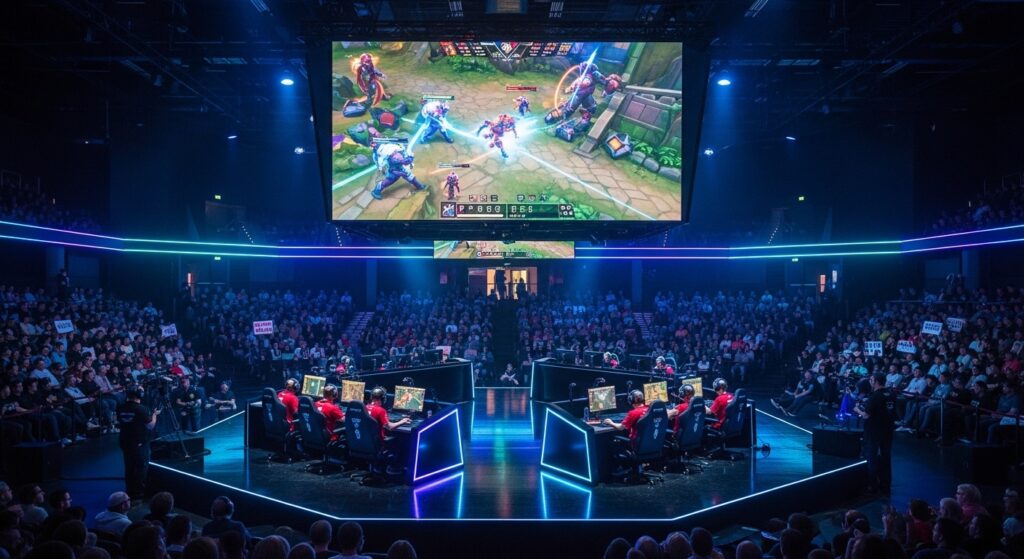
Esports tournaments have evolved into grand spectacles that draw huge crowds and offer massive prizes. Events like The International, the League of Legends World Championship, and the Fortnite World Cup showcase the world’s best players competing for multi-million-dollar prize pools. These tournaments often fill arenas and are broadcast live to millions of viewers globally. The production quality of these events rivals that of major sports leagues, complete with professional commentary, analysis, and player interviews. The growing popularity of esports has also attracted major sponsors, including global brands like Coca-Cola, Intel, and Red Bull.
Challenges in Esports
Despite its growth, esports still faces several challenges. One of the most significant issues is the mental and physical toll on players. Professional gaming requires long hours of practice, which can lead to burnout, stress, and even injury. Additionally, the esports industry struggles with concerns about fair play, as cheating scandals occasionally surface. There’s also the issue of player longevity; the career of a professional gamer can be short-lived, often due to the high level of competition and the rapidly changing nature of the games themselves.
The Future of Esports
The future of esports looks incredibly promising. With the continued development of virtual and augmented reality, esports could become even more immersive. The rise of mobile gaming has also opened up new opportunities, with games like PUBG Mobile and Free Fire attracting a vast audience. Esports is even being considered for inclusion in events like the Olympics, highlighting its growing importance in the world of competitive sports. As technology improves and global audiences continue to expand, esports will likely become an even more integral part of the entertainment industry.
Conclusion
Esports has come a long way since its humble beginnings, and its rise shows no signs of slowing down. With its massive appeal, professional opportunities, and exciting competitions, esports is reshaping how we think about gaming and entertainment. Whether you’re a player, a fan, or someone just starting to explore the world of esports, it’s clear that the digital arena has a bright future ahead.