Introduction: The Emergence of Esports
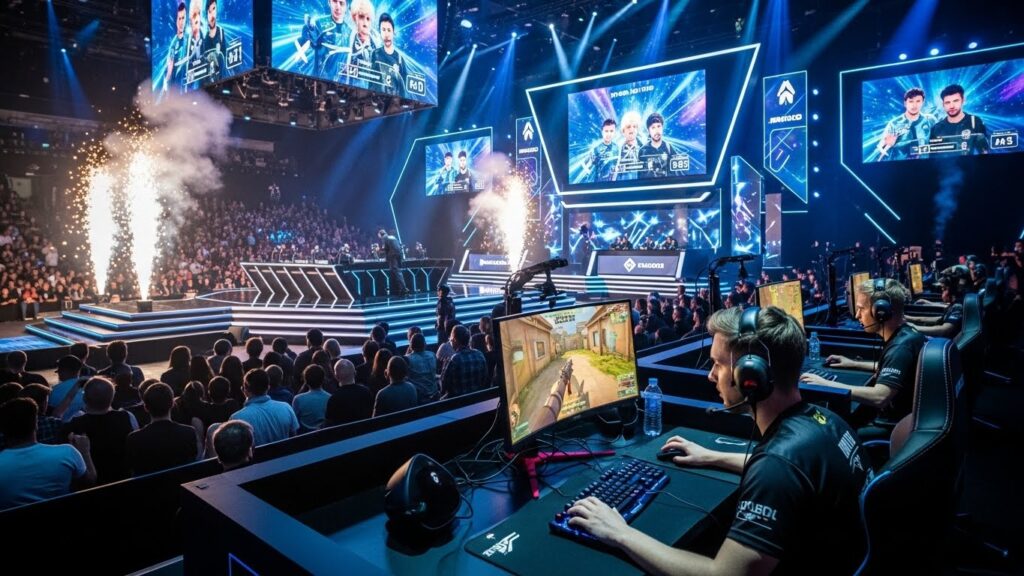
Esports, or competitive video gaming, has evolved from a niche hobby into a global phenomenon. Once considered merely recreational, esports now attracts millions of players and spectators worldwide, generating substantial revenue and offering career opportunities similar to traditional sports. The rise of esports reflects the intersection of technology, entertainment, and competition in the 21st century. Professional tournaments, celebrity gamers, and international leagues have transformed gaming into a legitimate sporting and cultural phenomenon. Unlike traditional sports, esports transcends geographical and physical limitations, allowing players and fans to engage digitally from any corner of the world.
The Evolution of Competitive Gaming
Competitive gaming has deep roots, dating back to arcade competitions in the 1980s. Early tournaments were small and often informal, but as personal computers and high-speed internet became widespread, gaming communities began organizing structured competitions. Titles like StarCraft, Counter-Strike, and Warcraft laid the foundation for professional esports. The launch of streaming platforms and social media further accelerated its growth, providing a platform for players to showcase their skills and connect with fans. Today, esports features structured leagues, franchises, and global tournaments with prize pools reaching millions, making it a highly professionalized field with a dedicated fan base.
The Cognitive and Mental Benefits of Esports
Although esports is not physically intensive in the traditional sense, it offers significant cognitive benefits. Players develop rapid decision-making skills, strategic thinking, and situational awareness. Hand-eye coordination, reflexes, and multitasking abilities improve as players learn to react quickly to changing scenarios in high-pressure environments. Esports also encourages learning from mistakes, analyzing gameplay, and adapting strategies, fostering analytical thinking and problem-solving skills. Moreover, competitive gaming can improve memory and concentration, as players must recall patterns, anticipate opponents’ moves, and execute precise actions within tight time constraints.
Teamwork and Communication in Esports
Many esports games require extensive teamwork and collaboration. Multiplayer online battle arenas and first-person shooter games rely on communication, coordination, and role specialization. Successful teams cultivate trust, support, and understanding, which mirrors essential real-life teamwork skills. Players learn to manage conflicts, coordinate strategies, and provide constructive feedback in high-pressure scenarios. Even solo-based games often involve interactions with coaches, analysts, and community members, promoting collaboration and social engagement. The emphasis on teamwork in esports nurtures leadership, conflict resolution, and collaborative problem-solving skills applicable beyond gaming.
The Role of Discipline and Practice
Professional esports requires dedication and discipline akin to traditional sports. Players often maintain structured daily routines, including hours of practice, review of gameplay footage, and physical fitness activities to sustain mental acuity and endurance. Consistency, perseverance, and time management are crucial, as achieving mastery requires sustained effort over months and years. This level of discipline translates into other areas of life, teaching resilience, goal setting, and self-motivation. Aspiring gamers learn the importance of balancing training, competition, and personal life, a skill that is valuable both on and off the digital battlefield.
Mental Health and Stress Management
The competitive nature of esports can be mentally demanding, with high expectations, long practice hours, and intense scrutiny from fans and sponsors. Maintaining mental well-being is essential for sustained performance. Many professional teams now include mental health support, such as sports psychologists, wellness programs, and counseling services. Learning to manage stress, cope with setbacks, and maintain focus under pressure are crucial aspects of esports training. These lessons in emotional regulation and resilience extend to broader life experiences, helping players navigate challenges outside of gaming while maintaining personal and professional balance.
Economic Significance of Esports
Esports has become a multi-billion-dollar industry, contributing significantly to the global economy. Revenue streams include tournament prize pools, sponsorships, merchandising, streaming subscriptions, and broadcasting rights. Professional teams operate as structured organizations, employing managers, coaches, marketers, and analysts to optimize performance and engagement. Major tournaments attract audiences that rival traditional sporting events, creating opportunities for tourism, local business growth, and job creation. The economic impact of esports also stimulates technological innovation, including gaming hardware, software, and digital content platforms, further embedding esports into mainstream economic activity.
Global Reach and Cultural Influence
Esports transcends geographical, cultural, and language barriers. International tournaments bring together players and fans from diverse backgrounds, fostering a sense of global community. Cultural influences can be seen in gameplay styles, fan interactions, and content creation. Esports has also become a cultural phenomenon, influencing fashion, music, and online media. Its accessibility allows anyone with an internet connection to participate or spectate, making it a democratized form of entertainment and competition. This global reach highlights esports’ power to connect people through shared interests, regardless of their physical or cultural context.
Technological Innovations in Esports
Technology is the backbone of esports, from high-performance gaming computers to streaming platforms and virtual reality experiences. Analytical tools and artificial intelligence are increasingly used to evaluate performance, optimize strategies, and prevent injuries from prolonged gaming sessions. Innovations in broadcasting and live streaming enhance viewer engagement, allowing fans to experience gameplay in real time with commentary, statistics, and interactive features. Technological advancements continue to expand esports’ potential, creating immersive experiences for players and audiences while improving accessibility, fairness, and competitive quality.
Esports and Education
Educational institutions have recognized the value of esports as a tool for skill development and career preparation. Schools and universities are incorporating esports programs, scholarships, and dedicated arenas to support competitive gaming alongside traditional academics. Students gain leadership, teamwork, strategic thinking, and digital literacy skills, which are transferable to professional careers. Participation in esports at the academic level also promotes inclusivity, technological proficiency, and engagement, helping students develop both personally and professionally. Educational esports programs bridge the gap between gaming as entertainment and gaming as a platform for learning and career development.
Inclusivity and Diversity in Esports
Esports has the potential to be more inclusive than traditional sports. Its digital nature allows participation regardless of physical ability, age, or gender. Adaptive gaming technologies enable players with disabilities to compete on equal footing. Female gamers, minority groups, and underrepresented communities are increasingly making their mark in competitive gaming, challenging stereotypes and promoting equality. Esports emphasizes talent, strategy, and dedication as the primary criteria for success, fostering a culture of empowerment and fairness. The inclusive environment makes esports a platform where anyone can achieve recognition and success through skill and commitment.
The Spectator Experience in Esports
Watching esports has become a major form of entertainment, comparable to traditional sports. Fans engage with live streams, commentary, and interactive digital communities. Audience participation extends beyond passive viewing, allowing fans to learn strategies, analyze gameplay, and interact with content creators. Major tournaments create excitement and shared experiences, building loyal fan communities. The interactive nature of esports spectatorship enhances engagement, offering both entertainment and educational insights into competitive strategies, team dynamics, and game mechanics.
The Psychological Dynamics of Competition
Esports provides a window into human psychology under competitive pressure. Players must manage emotions, maintain focus, and make rapid decisions while under stress. Understanding when to take risks, remain patient, or adapt strategies is critical for success. These psychological challenges mirror real-life situations, teaching resilience, emotional intelligence, and strategic thinking. Additionally, esports fosters ethical behavior, sportsmanship, and respect within digital communities, contributing to personal growth and the development of interpersonal skills in virtual and real-world contexts.
Future of Esports
The future of esports promises continued innovation and growth. Emerging technologies such as virtual reality, augmented reality, and cloud gaming will revolutionize gameplay and spectator experiences. Expansion into new genres, platforms, and regions will diversify audiences and participation. Professionalization will increase with enhanced training facilities, analytics-driven coaching, and comprehensive wellness programs. As esports continues to evolve, it will redefine entertainment, competition, and social interaction, offering new opportunities for players, audiences, and industries worldwide.
Conclusion: Esports as a Cultural and Competitive Force
Esports is redefining the way people perceive sports, entertainment, and competition. It combines skill, strategy, teamwork, and mental agility in a digital landscape accessible to millions globally. Beyond gameplay, esports nurtures cognitive development, social skills, resilience, and career opportunities. Its economic, cultural, and technological impact continues to grow, establishing esports as a legitimate, professional, and influential domain. Embracing esports allows individuals to explore a digital frontier of competition, creativity, and community, highlighting the transformative potential of gaming as both a sport and a cultural phenomenon.