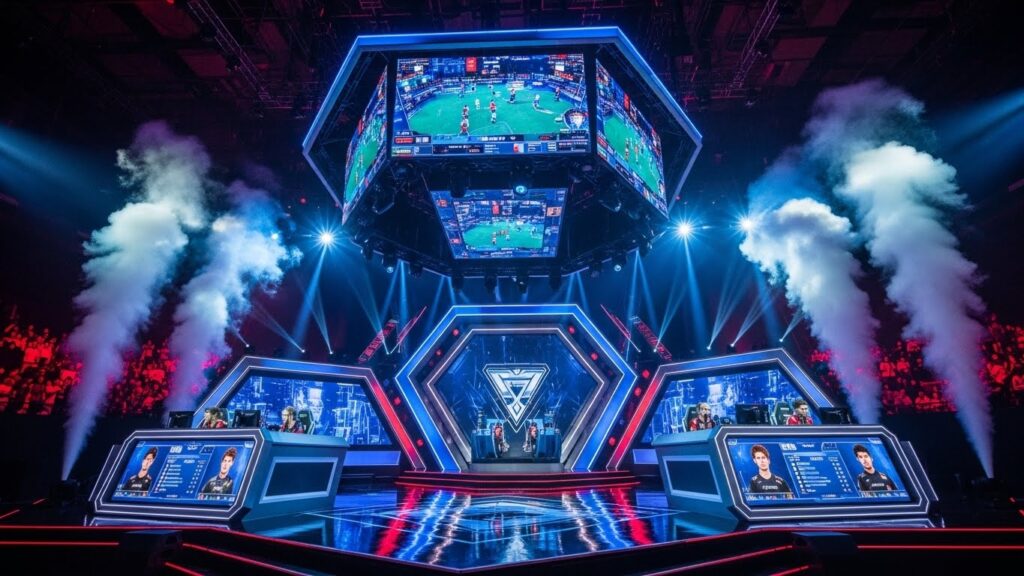
Over the past decade, eSports has evolved from a niche hobby into a mainstream global phenomenon. Once viewed as a pastime for enthusiasts, competitive gaming has now turned into a multi-billion-dollar industry that rivals traditional sports in terms of viewership, investment, and player talent. The rapid growth of eSports has sparked a revolution in the world of entertainment, reshaping how we perceive gaming, sports, and even the future of digital engagement.
In this blog post, we will explore how eSports has evolved, the factors driving its growth, the impact it’s having on the global entertainment landscape, and what the future holds for competitive gaming.
What is eSports? A Brief Introduction
At its core, eSports refers to organized, multiplayer video game competitions, particularly between professional players, individually or as teams. While eSports competitions have existed since the early 2000s, it wasn’t until the past few years that they truly exploded into the mainstream. Today, games like League of Legends, Dota 2, Counter-Strike: Global Offensive, Fortnite, and Valorant are household names, and the events surrounding these games draw in millions of viewers from around the world.
While traditional sports like basketball or football have a physical component, eSports relies on skill, strategy, and teamwork within a digital environment. Professional gamers are often seen as athletes in their own right, requiring intense practice, training, and mental fortitude to succeed at the highest level.
The Phenomenal Growth of eSports
eSports’ meteoric rise can be attributed to several factors, many of which are tied to broader trends in the gaming and entertainment industries. To understand this growth, it’s essential to consider the technological advancements, cultural shifts, and economic opportunities that have propelled competitive gaming into the limelight.
1. The Rise of Streaming Platforms
One of the most significant driving forces behind eSports’ growth has been the rise of live-streaming platforms such as Twitch, YouTube Gaming, and Facebook Gaming. These platforms allow gamers to broadcast their gameplay in real-time, enabling fans to watch their favorite players and teams compete from anywhere in the world. As streaming technology improved, the accessibility of eSports content skyrocketed, leading to the formation of global communities centered around competitive gaming.
Twitch, in particular, played a pivotal role in the rise of eSports by providing a space where viewers could engage directly with streamers, discuss gameplay, and even donate to their favorite players. This sense of community was a major catalyst for eSports’ growth, making it more than just an activity, but a shared experience for both players and fans.
2. The Growth of Mobile Gaming and Accessibility
Mobile gaming has also had a substantial impact on the growth of eSports. As smartphones became more powerful, mobile gaming titles like PUBG Mobile, Clash Royale, and Free Fire gained massive popularity. These games are accessible to a broader audience, from casual players to aspiring eSports professionals. In many regions, mobile eSports have become a more significant part of the competitive gaming ecosystem than their PC and console counterparts, thanks to the widespread availability of smartphones and lower barriers to entry.
Mobile eSports events and tournaments are growing in popularity, with titles such as Arena of Valor and Mobile Legends becoming staples in the competitive gaming scene. As a result, the eSports ecosystem has become more inclusive, welcoming a new generation of players from all walks of life.
3. Big Investments and Sponsorships
The influx of investment from both traditional sports organizations and major corporations has played a pivotal role in eSports’ expansion. Companies like Intel, Red Bull, and Coca-Cola have poured significant resources into sponsoring tournaments, events, and even individual players or teams. This has not only helped elevate the status of eSports but also brought a sense of legitimacy to the industry.
Traditional sports teams and owners have also begun to invest heavily in eSports. In North America, teams like The New York Knicks and Dallas Cowboys have ventured into the world of competitive gaming. Global sports networks like ESPN and Fox Sports now regularly broadcast major eSports events, reaching audiences that previously may not have been exposed to gaming culture. These investments have helped transform eSports into a financially viable industry and a legitimate form of entertainment.
eSports: More Than Just Games – The Cultural Impact
While eSports’ growth is undeniably impressive from a financial perspective, its cultural impact is equally significant. Competitive gaming has transcended its digital origins to become a global cultural movement, influencing everything from fashion to music to social media. Let’s take a closer look at some of the cultural shifts brought about by the rise of eSports.
1. eSports and the New Generation of Celebrities
In the past, sports icons like Michael Jordan and Serena Williams were household names, admired for their athletic abilities and larger-than-life personas. Today, professional gamers have entered this realm, becoming celebrities in their own right. Players like Ninja (Tyler Blevins), Shroud (Michael Grzesiek), and Faker (Lee Sang-hyeok) are not only known for their exceptional skills in games but also for their influence in mainstream media.
These eSports stars have millions of followers on social media platforms, endorsing products, attending major events, and even branching out into traditional media. Some have launched their own brands, signed lucrative endorsement deals, and even appeared in TV shows or commercials. With this rise in celebrity culture, professional gamers have become role models for a new generation of fans who aspire to turn their gaming passion into a career.
2. The Integration of Music and Entertainment
Another key cultural shift brought about by eSports is the growing intersection between gaming and the music industry. Major tournaments often feature live performances from top-tier musical acts, and events like the League of Legends World Championship have included performances from artists such as Imagine Dragons and Zedd. These collaborations have helped elevate eSports to a more mainstream audience, blending gaming culture with the broader entertainment industry.
Additionally, many eSports teams have embraced fashion as part of their brand identity. Team jerseys, player merch, and even sponsorship deals with clothing brands have made eSports a more polished and marketable industry. This combination of gaming, fashion, and music is helping eSports move beyond its origins as a subculture, making it a powerful force in global entertainment.
3. Building Communities and Global Connectivity
One of the most powerful aspects of eSports is its ability to connect people from around the world. Unlike traditional sports, where geographical boundaries can limit exposure, eSports transcends location. Players and fans alike can engage in the digital space, forming communities that extend far beyond national borders. Online tournaments and streaming platforms have created opportunities for people to come together based on a shared passion, no matter where they live.
These communities are not just about watching the games. They are active, participatory spaces where fans create content, organize events, and support their favorite players. Social media platforms like Twitter, Reddit, and Discord serve as hubs for these communities, allowing fans to engage in discussions, share memes, and even compete in informal tournaments. This global connectivity has given rise to a new form of digital fan culture, one that is inclusive, interactive, and constantly evolving.
The Future of eSports: What’s Next?
As we look to the future, it’s clear that eSports is here to stay. The question now is, how will the industry continue to evolve, and what innovations can we expect to see in the coming years?
1. Virtual Reality and Augmented Reality
One of the most exciting possibilities for the future of eSports lies in the integration of virtual reality (VR) and augmented reality (AR). While VR gaming is still in its infancy, the potential for fully immersive eSports competitions is immense. Imagine a world where players aren’t just staring at a screen but are physically engaged in a virtual environment, competing in an arena that feels as real as any traditional sport.
AR technology could also be used to enhance live events, allowing fans to interact with the game in real time through their smartphones or smart glasses. The potential for these technologies to transform the viewer experience is immense, creating a more interactive and engaging way to enjoy eSports.
2. Integration with Traditional Sports
In the future, we may see more collaboration between traditional sports and eSports. We’ve already seen professional athletes investing in eSports teams, but we could see much deeper integration. Imagine an NFL team fielding an eSports squad that competes in games like Madden NFL or FIFA, or a soccer team launching a series of events where their players face off against the best gamers in virtual matches. This could bridge the gap between traditional sports fans and the eSports community, bringing even more exposure and investment to competitive gaming.
3. The Growth of eSports in Education
Another exciting development on the horizon is the rise of eSports in education. More and more schools and universities are offering eSports programs and scholarships for aspiring gamers. In the future, we could see a world where eSports is a legitimate career pathway, with formal educational systems preparing students for jobs in gaming, streaming, event management, and more.
Conclusion: eSports is a Global Force
eSports has come a long way from its early roots as a niche hobby for gaming enthusiasts. Today, it is a multi-billion-dollar industry with global reach, diverse communities, and immense cultural impact. With its growth showing no signs of slowing down, eSports will continue to evolve, influencing entertainment, technology, and even the way we think about sports. Whether you’re a gamer, a fan, or just a curious observer, the rise of eSports offers an exciting glimpse into the future of competitive entertainment.