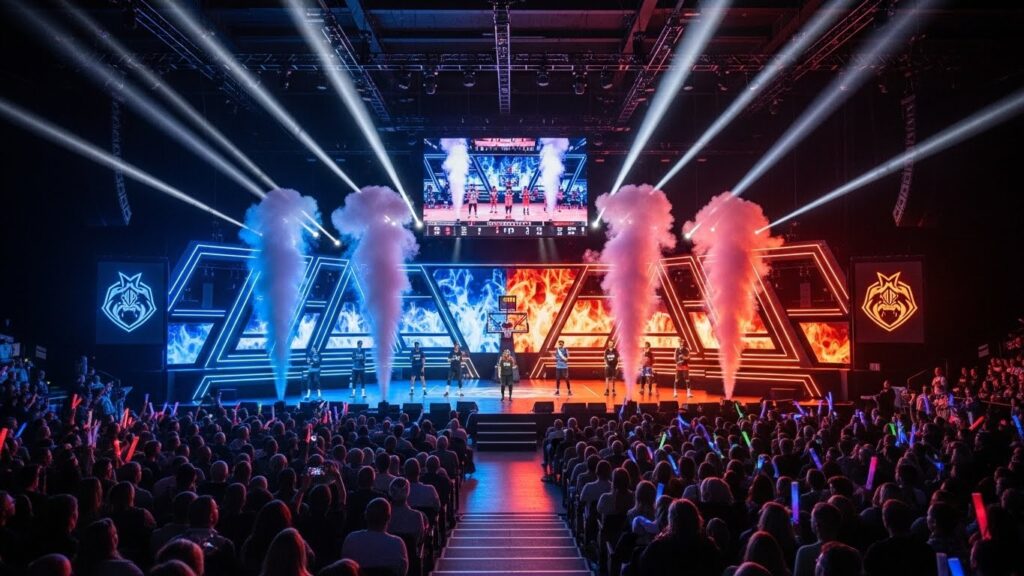
Esports, or competitive video gaming, has evolved from a niche hobby into a global phenomenon, influencing entertainment, technology, and even culture itself. Once seen as a pastime for enthusiasts, esports now boasts professional leagues, international tournaments, and a massive fanbase that rivals traditional sports. The combination of strategy, skill, teamwork, and audience engagement makes esports an entirely unique form of competition. In this article, we explore the world of esports, its impact on society, its economic potential, technological innovations, and the challenges and opportunities it presents for the future.
The Origins and Growth of Esports
The roots of esports can be traced back several decades. Early video games in the 1970s and 1980s, such as Space Invaders, Pong, and Pac-Man, laid the foundation for competitive gaming. High-score competitions and local tournaments gave players the first taste of organized competition. However, it was not until the late 1990s and early 2000s, with the rise of multiplayer online games like StarCraft, Counter-Strike, and Warcraft III, that esports began taking a recognizable form.
The growth of the internet and streaming platforms significantly accelerated esports’ popularity. Players could now compete globally, and audiences could watch matches live, creating a worldwide gaming community. Today, esports tournaments such as the League of Legends World Championship and The International in Dota 2 attract millions of viewers and feature prize pools worth millions of dollars, cementing esports as a legitimate competitive and entertainment industry.
The Cultural Impact of Esports
Esports has transformed entertainment culture, providing a platform for community building and social engagement. Unlike traditional sports, esports is accessible to a broader demographic. Players of all ages and abilities can participate, provided they have the skills and dedication required. This inclusivity has made esports a global phenomenon, breaking down barriers related to geography, gender, and physical ability.
Streaming platforms, content creators, and social media have amplified esports’ cultural reach. Fans interact with players, discuss strategies, and follow their favorite teams in real-time. This level of engagement fosters a strong sense of belonging and community, transforming esports from a simple hobby into a lifestyle. In many regions, esports events are now mainstream entertainment, drawing attention from media, celebrities, and brands alike.
Economic Significance of Esports
The esports industry has grown into a multi-billion-dollar ecosystem, with revenue generated through sponsorships, advertising, merchandise, ticket sales, and broadcasting rights. Organizations invest heavily in professional teams, infrastructure, and training programs, recognizing the commercial potential of esports. Professional players earn substantial incomes through salaries, endorsements, and tournament winnings, often rivaling the earnings of traditional athletes.
International tournaments also have a significant economic impact on host cities, attracting tourism, creating jobs, and stimulating local businesses. Sponsorship deals from major corporations further fuel growth, with brands recognizing the marketing potential of esports’ young, tech-savvy audience. The economic influence of esports extends beyond players and teams, creating opportunities in game development, event management, media production, and technology innovation.
Technology Driving Esports Forward
Technology is the backbone of esports, both in gameplay and audience experience. Competitive gaming relies on high-performance computers, specialized peripherals, and stable internet connections. Advanced analytics and artificial intelligence are increasingly used to optimize player performance, refine strategies, and prevent injuries or burnout in physically demanding games.
Streaming technology has revolutionized fan engagement. Live broadcasts, interactive features, and on-demand content allow fans to follow their favorite players and teams globally. Virtual reality, augmented reality, and advanced camera angles enhance the viewing experience, making esports more immersive than ever. These technological advancements not only improve competitive performance but also redefine entertainment and spectator engagement.
Psychological and Cognitive Benefits of Esports
Esports requires intense mental focus, strategic thinking, and fast decision-making. Players must analyze complex scenarios, adapt to rapidly changing conditions, and coordinate with teammates, developing skills that extend beyond gaming. Studies suggest that competitive gaming can improve problem-solving abilities, memory, multitasking, and spatial awareness.
Social and psychological benefits are also significant. Esports fosters teamwork, communication skills, and social interaction. Participating in tournaments and achieving milestones enhances confidence, discipline, and goal-setting abilities. Contrary to the stereotype of gaming as a sedentary or isolating activity, esports can enhance mental agility, resilience, and personal development.
Esports and Education
Esports is increasingly recognized in educational institutions as a legitimate platform for skill development. Many universities and colleges now offer esports scholarships, create dedicated esports teams, and integrate gaming into academic programs focused on game design, technology, and digital media. These initiatives highlight the strategic thinking, discipline, and collaborative skills developed through competitive gaming.
Esports also encourages lifelong learning outside the classroom. Players study game mechanics, watch tutorials, analyze professional matches, and practice effective communication. This combination of formal and informal learning helps participants develop valuable skills that apply to careers in technology, media, and management.
Challenges in Esports
Despite its rapid growth, esports faces several challenges. Mental health concerns are prevalent among professional players due to long hours, high-pressure competition, and intense public scrutiny. Issues such as burnout, anxiety, and stress require attention and support systems to ensure player well-being.
Regulation is another challenge. Esports lacks a universally recognized governing body, resulting in inconsistent rules, cheating incidents, and disputes across tournaments. Ethical concerns, such as player exploitation and unhealthy gaming practices, must be addressed to maintain the integrity and sustainability of the industry. Environmental concerns related to large-scale events, including energy consumption and electronic waste, are also increasingly relevant.
The Future of Esports
The future of esports is promising and dynamic. Emerging technologies, such as virtual reality, augmented reality, and artificial intelligence, will make gaming experiences more immersive and accessible. The industry is expected to expand into new genres, platforms, and global markets, attracting a diverse audience and increasing participation.
Esports is also becoming intertwined with mainstream media, traditional sports, and entertainment. Celebrities, athletes, and brands are collaborating with esports platforms, increasing visibility and credibility. This convergence highlights esports as not just a niche interest but a central aspect of modern entertainment culture.
Inclusivity and social responsibility will shape the industry’s future. Efforts to promote diversity, gender equality, and accessibility will broaden participation. Mental health initiatives, ethical governance, and sustainable practices will ensure growth that balances commercial success with the well-being of players and communities.
Conclusion
Esports has emerged as a revolutionary force in entertainment, blending competition, technology, and culture into a vibrant global phenomenon. From small local tournaments to massive international events, esports showcases skill, strategy, and innovation, offering both players and fans a unique experience that traditional sports cannot replicate.
Beyond entertainment, esports influences culture, fosters personal growth, and drives economic opportunity. It challenges conventional ideas about sports, competition, and social interaction, highlighting the power of technology and community. As the industry continues to evolve, esports will play an increasingly central role in shaping the future of gaming, entertainment, and digital culture. Engaging in esports, whether as a player, spectator, or professional, provides a gateway to a world where skill, strategy, and innovation converge, demonstrating the limitless potential of the digital age.