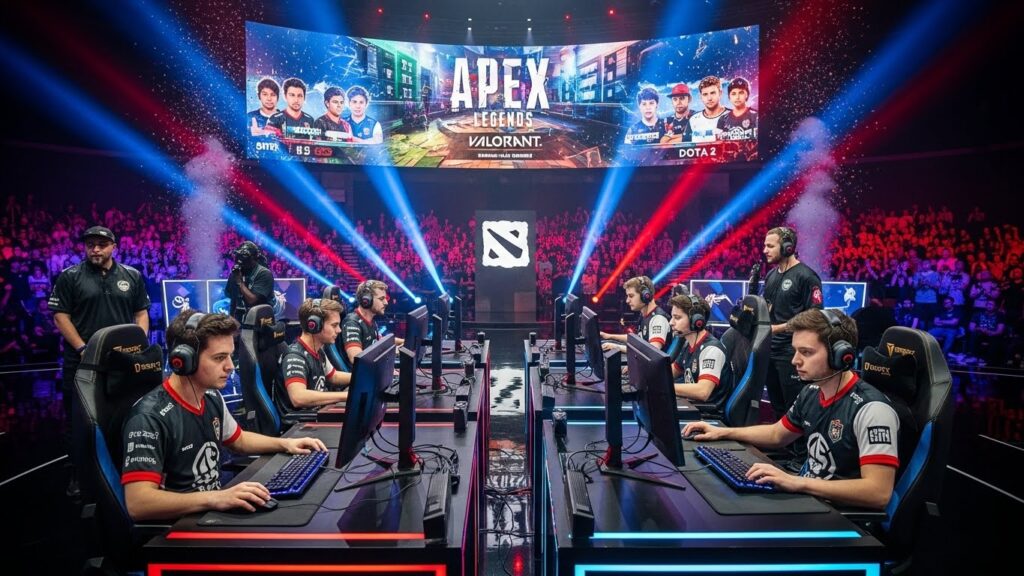
Esports, once dismissed as casual gaming, has grown into a global competitive industry that rivals traditional sports in viewership, revenue, and cultural influence. What began as small groups of players competing for fun has transformed into a professional ecosystem featuring elite athletes, international tournaments, massive fan communities, and structured organizations. Esports is not just about playing games; it represents a shift in how competition, entertainment, and digital culture intersect in the modern world.
Understanding What Esports Truly Is
Esports refers to organized, competitive video gaming where individuals or teams compete in structured tournaments under established rules. These competitions span various genres, including multiplayer online battle arenas, first-person shooters, real-time strategy games, sports simulations, and battle royale titles. Unlike casual gaming, esports demands high-level skill, strategic thinking, discipline, and teamwork.
Professional esports players train extensively, analyze opponents, and perform under intense pressure, much like athletes in traditional sports. Matches are often broadcast to millions of viewers, complete with commentators, analysts, and live audiences, reinforcing esports as a legitimate competitive discipline.
The Early Roots of Competitive Gaming
The origins of esports can be traced back to the early days of video games. In the late twentieth century, arcade competitions and home console challenges laid the foundation for competitive gaming. Players gathered in local spaces to test their skills, often driven by high scores and bragging rights rather than fame or money.
As personal computers and internet access expanded, multiplayer gaming became more accessible. Online matches allowed players to compete across cities and countries, setting the stage for larger tournaments. Over time, organized leagues, sponsorships, and prize pools emerged, transforming gaming into a structured competitive environment.
The Rise of Professional Esports
The transition from amateur competitions to professional esports marked a turning point in gaming history. Dedicated teams began forming, complete with coaches, analysts, and support staff. Players signed contracts, trained full-time, and represented organizations rather than just themselves.
International tournaments brought global attention, drawing millions of viewers and showcasing the highest level of play. Esports arenas filled with fans, and live broadcasts reached audiences worldwide. This professionalization validated esports as a career path and solidified its position within the broader entertainment industry.
Skills That Define an Esports Athlete
Success in esports requires a unique blend of physical, mental, and strategic skills. Quick reaction times, hand-eye coordination, and precise motor control are essential, especially in fast-paced games. However, mechanical skill alone is not enough.
Top players must understand game mechanics deeply, anticipate opponents’ actions, and adapt strategies in real time. Communication and teamwork are critical in team-based games, where coordination often determines victory. Mental resilience is equally important, as players face high-pressure situations, public scrutiny, and constant competition.
Training and Discipline in Esports
Contrary to stereotypes, professional esports players follow disciplined routines. Training often includes hours of practice, reviewing gameplay footage, studying opponents, and refining strategies. Physical fitness is increasingly emphasized, as good health supports focus, stamina, and reaction speed.
Mental training also plays a vital role. Players work on stress management, concentration, and confidence to perform consistently. This structured approach highlights that esports is not simply about playing games but about mastering a demanding competitive craft.
The Cultural Impact of Esports
Esports has reshaped global youth culture and digital communities. It has created shared experiences that transcend borders, languages, and backgrounds. Fans follow teams and players with the same passion seen in traditional sports, celebrating victories and mourning losses together.
Streaming platforms and social media have amplified this culture, allowing fans to engage directly with players and content creators. Esports has influenced fashion, music, and online trends, becoming a defining element of modern digital identity for millions of people.
Economic Growth and Industry Expansion
The esports industry has experienced remarkable economic growth. Revenue streams include sponsorships, advertising, merchandise, media rights, and ticket sales. Major brands invest heavily in esports, recognizing its ability to reach engaged and digitally native audiences.
Beyond players, esports supports a wide range of careers, including coaching, event production, broadcasting, marketing, graphic design, and software development. This expanding ecosystem demonstrates that esports is not only entertainment but also a significant contributor to the digital economy.
Esports and Education
Educational institutions have begun embracing esports as a legitimate academic and extracurricular pursuit. Schools and universities now offer esports teams, scholarships, and dedicated programs. These initiatives recognize the valuable skills developed through competitive gaming, such as problem-solving, leadership, collaboration, and technological literacy.
Esports education also prepares students for careers beyond playing. Fields like game design, data analysis, media production, and event management benefit from esports-related experience. This integration highlights esports as a pathway to both personal development and professional opportunity.
Global Tournaments and Competitive Spectacle
Esports tournaments have become major global events, attracting massive online and live audiences. These competitions feature high production value, professional commentary, and dramatic narratives that captivate viewers. Players compete not only for prize money but also for prestige and legacy.
International tournaments foster global connections, bringing together players and fans from different cultures. The excitement and intensity of these events demonstrate esports’ ability to deliver compelling competition on a worldwide stage.
Challenges Facing the Esports World
Despite its success, esports faces several challenges. Player burnout and mental health concerns are growing issues due to intense training schedules and competitive pressure. Organizations are increasingly focusing on wellness programs to support long-term player health.
Regulation and standardization also remain complex. Ensuring fair competition, preventing cheating, and managing player contracts require consistent governance. Additionally, issues such as online harassment and inclusivity must be addressed to create a healthier esports environment.
The Role of Technology in Esports Growth
Technology is the backbone of esports. High-performance gaming hardware, fast internet connectivity, and advanced software enable competitive play at the highest level. Broadcasting technology allows seamless global viewing, while data analytics tools help teams improve performance.
As technology continues to advance, esports will benefit from enhanced realism, improved accessibility, and more immersive experiences. Innovations in virtual and augmented reality may further expand the possibilities of competitive gaming.
The Future of Esports
The future of esports appears promising and dynamic. Mobile esports is expanding access in regions where traditional gaming infrastructure is limited. New game genres and competitive formats continue to emerge, keeping the industry fresh and innovative.
Esports is also expected to integrate further with mainstream entertainment and traditional sports. Collaborations, hybrid events, and cross-industry partnerships will likely strengthen its cultural presence. As acceptance grows, esports may redefine how society views competition and athleticism in the digital age.
Esports as a Reflection of Modern Society
Esports reflects broader changes in how people connect, compete, and consume entertainment. It represents a shift toward digital-first experiences and global communities. Esports challenges traditional ideas of sport by emphasizing mental agility, strategy, and digital skill alongside physical ability.
For many, esports offers a sense of belonging and identity. It provides opportunities for individuals who may not engage in traditional sports to excel, compete, and be recognized. This inclusivity is one of esports’ most powerful strengths.
Conclusion: More Than a Game
Esports has evolved from simple pixel-based competition into a global phenomenon with cultural, economic, and social significance. It demands skill, discipline, and resilience, offering players and fans a new way to experience competition and connection.
As esports continues to grow, it will face challenges that require thoughtful solutions. However, its potential to inspire, unite, and innovate remains undeniable. Esports is not just about games; it is about people, passion, and the pursuit of excellence in a digital world.
In embracing esports, we acknowledge a new era of competition where creativity, technology, and human potential converge. From pixels to prestige, esports stands as a defining force of modern entertainment and global culture.