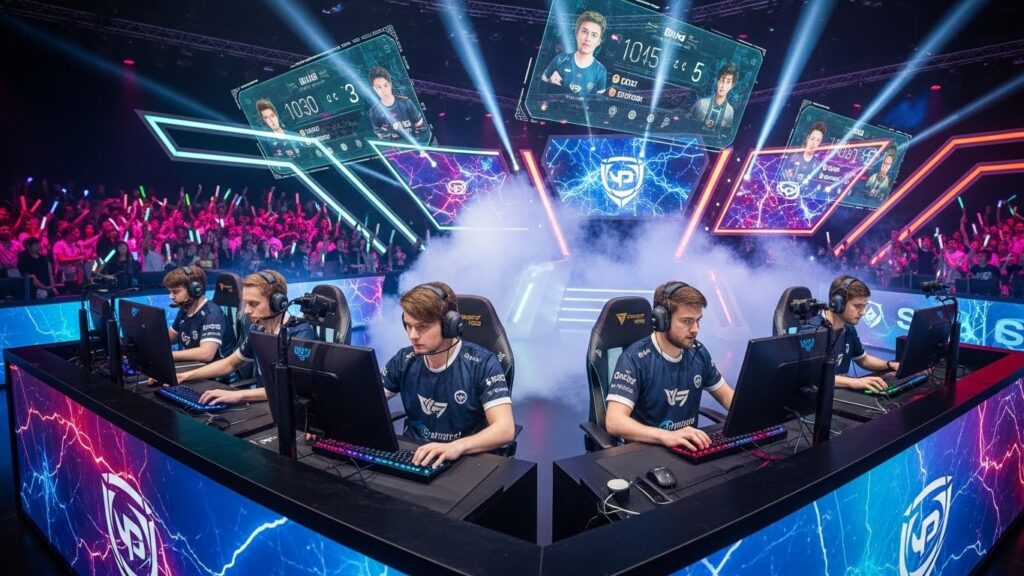
Introduction: The Rise of a New Sporting Era
In the last two decades, the definition of sport has expanded beyond physical stadiums and traditional fields. A new arena has emerged, powered by technology, passion, and global connectivity. Esports, or competitive video gaming, has evolved from casual matches between friends into a billion-dollar global industry. What was once seen as entertainment for a niche audience is now a mainstream phenomenon that fills arenas, attracts major sponsors, and builds international stars.
Esports is not just about games; it is about strategy, teamwork, discipline, and mental resilience. As millions tune in to watch competitive gaming events, esports has proven that competition does not require physical contact to be intense, meaningful, or inspiring.
Understanding Esports: More Than Just Playing Games
Esports refers to organized competitive gaming where professional players or teams compete in video games under structured rules and formats. These competitions can be local, national, or international, often featuring large prize pools and live audiences. Unlike casual gaming, esports demands rigorous practice, strategic thinking, and a deep understanding of game mechanics.
Players train for hours every day, analyzing gameplay footage, refining strategies, and improving reaction times. Coaches, analysts, and support staff work behind the scenes, just like in traditional sports. This structured environment highlights that esports is a professional discipline rather than a hobby.
The Evolution of Esports From Arcades to Arenas
The roots of esports can be traced back to early arcade competitions and local gaming tournaments. In the beginning, players competed for bragging rights rather than financial rewards. As technology advanced and internet access became widespread, online multiplayer games allowed players from different regions to compete with one another.
Streaming platforms played a major role in the growth of esports by making competitions accessible to a global audience. Viewers could watch their favorite players live, interact through chat, and feel part of a community. Over time, esports tournaments moved from small venues to massive arenas, with millions watching online and thousands attending in person.
Popular Esports Genres and Their Competitive Appeal
Esports covers a wide range of game genres, each offering unique competitive experiences. First-person shooters emphasize reflexes, precision, and teamwork. Multiplayer online battle arena games focus on strategy, coordination, and long-term planning. Sports simulation games replicate real-world sports, blending traditional fandom with digital competition.
Fighting games showcase individual skill, mind games, and split-second decision-making. Strategy-based games require patience, resource management, and foresight. This diversity allows esports to appeal to different personalities and skill sets, making it inclusive and dynamic.
Esports Athletes: Training, Discipline, and Mental Strength
Professional esports players are often referred to as athletes, and for good reason. While esports may not demand physical endurance in the same way as traditional sports, it requires exceptional mental stamina. Players must maintain focus for long periods, manage stress, and make rapid decisions under pressure.
Training routines often include physical exercise, mental conditioning, and nutrition plans to maintain overall health. Many teams employ sports psychologists to help players deal with performance anxiety and burnout. This holistic approach demonstrates that esports is as demanding mentally as any physical sport.
The Business of Esports: Money, Sponsorships, and Growth
Esports has become a powerful economic force. Revenue streams include sponsorships, advertising, merchandise, ticket sales, and media rights. Major brands invest heavily in esports, recognizing its ability to reach younger, digitally engaged audiences.
Prize pools for major tournaments can reach millions, offering players financial stability and long-term careers. Esports organizations operate like professional sports franchises, managing player contracts, marketing strategies, and fan engagement. This professionalization has helped legitimize esports as a sustainable industry.
Esports and Youth Culture: A Global Connection
One of the most remarkable aspects of esports is its global reach. Players from different countries and cultures compete on equal footing, united by shared games and goals. Esports communities thrive on social interaction, creativity, and mutual respect.
For younger generations, esports represents a new form of identity and expression. Fans follow teams, wear merchandise, and participate in online discussions just like traditional sports fans. This sense of belonging strengthens the emotional connection between players and audiences.
Education and Career Opportunities in Esports
Esports has opened doors to a wide range of career paths beyond playing professionally. Opportunities exist in coaching, event management, broadcasting, marketing, content creation, and game development. Educational institutions are now offering esports programs, scholarships, and dedicated facilities.
Students can learn skills such as teamwork, leadership, communication, and digital literacy through esports involvement. These transferable skills prepare individuals for careers both within and outside the gaming industry.
Challenges Facing the Esports Industry
Despite its growth, esports faces several challenges. Player burnout is a significant concern due to intense schedules and high expectations. Maintaining competitive integrity, preventing cheating, and ensuring fair play require constant vigilance.
Another challenge is public perception. While attitudes are changing, some still question whether esports qualifies as a legitimate sport. Addressing issues such as inclusivity, player welfare, and sustainable growth is essential for the industry’s long-term success.
Esports and Technology: Shaping the Future
Technology continues to drive the evolution of esports. Advances in hardware, virtual reality, and artificial intelligence are creating new possibilities for competition and viewer engagement. Enhanced broadcasting techniques allow audiences to experience matches in immersive and interactive ways.
As internet infrastructure improves worldwide, esports will become even more accessible. Emerging markets are already producing talented players and passionate fans, expanding the global esports ecosystem.
The Cultural Impact of Esports
Esports has influenced fashion, music, and digital entertainment. Players and teams collaborate with artists and designers, blending gaming culture with mainstream trends. Esports events often feature live performances, creating festival-like experiences.
This cultural integration shows that esports is not isolated from society but deeply connected to modern digital life. It reflects how entertainment, technology, and competition intersect in the twenty-first century.
The Future of Esports: A New Definition of Sport
Looking ahead, esports is poised to continue its rapid expansion. As acceptance grows and infrastructure improves, esports may become a standard part of global sporting culture. Hybrid events that combine physical and digital elements could redefine how competitions are experienced.
Esports challenges traditional ideas of athleticism and competition, proving that skill, dedication, and passion are not limited to physical spaces. It represents a shift in how society views play, performance, and professional achievement.
Conclusion: Esports as a Symbol of the Digital Age
Esports is more than a trend; it is a reflection of the digital age and its values. It celebrates innovation, inclusivity, and global connection. From humble beginnings to international acclaim, esports has transformed how people compete and connect.
As the digital arena continues to grow, esports will remain at the forefront of entertainment and sport. It stands as a powerful reminder that competition evolves with technology, and the spirit of sport can thrive in any arena where passion and skill collide.