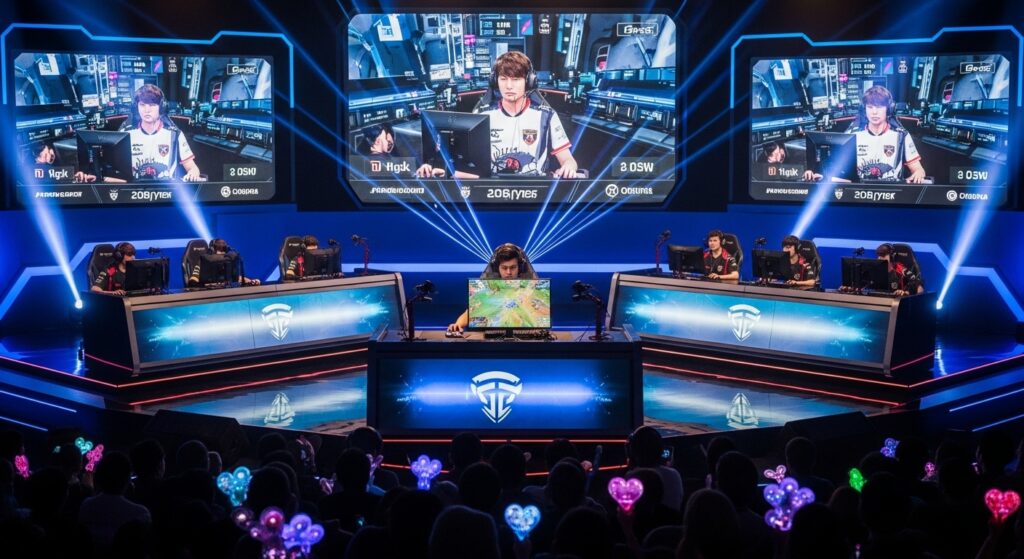
Introduction: The Dawn of Esports
Esports, or electronic sports, has grown from a niche hobby into a global phenomenon, redefining the boundaries of competition and entertainment. What began as casual video game contests among friends in the late 20th century has now become a multi-billion-dollar industry with professional players, massive audiences, and corporate sponsorships. The evolution of esports reflects not just technological advancements but also a cultural shift in how society perceives gaming. Once considered a pastime for teenagers, esports is now recognized as a legitimate profession, drawing attention from mainstream media, universities, and investors worldwide.
In this blog, we will explore the history, growth, and impact of esports, examining the factors that contribute to its popularity, the challenges it faces, and what the future holds for this dynamic industry.
A Brief History of Competitive Gaming
The roots of esports trace back to the 1970s and 1980s, when arcade games such as Pong and Space Invaders became popular. The first recorded competitive gaming events were held in arcades and university campuses, where players competed for recognition and small prizes. These early competitions laid the foundation for organized gaming tournaments.
The 1990s saw the rise of PC gaming and the internet, which revolutionized competitive gaming. Titles like StarCraft, Quake, and Counter-Strike became staples of early esports communities. Players from different parts of the world could now compete online, transcending geographical barriers. South Korea played a pivotal role in professionalizing esports during this period. The Korean e-Sports Association was established in 2000, marking one of the first attempts to regulate competitive gaming and recognize it as a legitimate sport.
By the 2000s, esports tournaments began attracting sponsorships, media coverage, and fanbases. Games like Warcraft III, Halo, and DotA became competitive staples, and online platforms such as Twitch, which launched in 2011, brought live streaming to the forefront, allowing millions of viewers to watch games in real time.
Key Esports Genres
Esports is diverse, encompassing a variety of game genres, each with its unique competitive scene. The primary genres include:
1. Multiplayer Online Battle Arena (MOBA)
MOBA games, such as League of Legends and Dota 2, involve teams of players competing to destroy the opposing team’s base while defending their own. These games emphasize strategy, teamwork, and skill execution. MOBAs are among the most watched esports, with tournaments like The International in Dota 2 offering prize pools exceeding $30 million.
2. First-Person Shooter (FPS)
FPS games like Counter-Strike: Global Offensive, Call of Duty, and Overwatch focus on player accuracy, reflexes, and coordination. Competitive FPS games have developed leagues and franchised tournaments that mirror traditional sports in structure, with regular seasons, playoffs, and championship events.
3. Real-Time Strategy (RTS)
RTS games require players to manage resources, build units, and execute strategic maneuvers. Titles such as StarCraft II have been instrumental in shaping esports history. While RTS games have seen a decline in mainstream popularity, they remain influential in demonstrating the depth of competitive gaming.
4. Fighting Games
Fighting games like Street Fighter, Super Smash Bros., and Tekken offer one-on-one competitive experiences that focus on timing, execution, and mind games. Fighting game tournaments have passionate communities, often gathering at events like EVO (Evolution Championship Series).
5. Sports Simulation Games
Simulated sports games, including FIFA, NBA 2K, and Madden NFL, bring real-world sports into a virtual arena. These games are unique in that they attract both esports enthusiasts and fans of traditional sports, creating crossover appeal.
The Economics of Esports
Esports has evolved into a massive global industry, with revenue streams stemming from multiple sources:
1. Sponsorships and Advertising
Corporate sponsorships have become a major driver of esports revenue. Companies from technology, energy drinks, apparel, and finance invest in esports to reach younger, digitally engaged audiences. Sponsorship deals often include team branding, event partnerships, and product endorsements.
2. Media Rights and Broadcasting
Esports tournaments are broadcasted across streaming platforms like Twitch, YouTube Gaming, and Facebook Gaming. Media rights deals, though still smaller than traditional sports, are rapidly increasing as viewership grows. Some esports leagues have even adopted exclusive streaming deals to secure revenue and expand their audience.
3. Merchandise and Tickets
Merchandise sales, including team jerseys, gaming peripherals, and collectibles, generate significant income. Live events also contribute to revenue through ticket sales and in-person experiences, especially in major tournaments that attract thousands of spectators.
4. Prize Pools
Competitive prize pools have skyrocketed in recent years. Games like Dota 2 feature community-funded prize pools that surpass tens of millions of dollars, making esports a financially viable career for top players.
Esports as a Career
Professional esports players dedicate countless hours to practice and competition. Unlike casual gaming, esports requires a combination of mental agility, strategy, teamwork, and physical endurance. Players often undergo rigorous training regimens that include:
- Daily practice and scrimmages
- Analyzing game footage for performance improvement
- Maintaining physical health to prevent repetitive strain injuries
- Mental conditioning to handle stress and competition pressure
Beyond players, esports careers encompass team managers, coaches, analysts, commentators, streamers, and event organizers. Universities have even started offering scholarships for esports athletes, legitimizing gaming as a pathway to higher education and career opportunities.
Esports Communities and Culture
A significant part of esports’ success comes from its vibrant communities. Fans engage with esports through forums, social media, live events, and streaming platforms. Community participation extends beyond spectating, as fans often influence game development through feedback, fan art, and content creation.
Esports culture has also cultivated a sense of identity and belonging, especially among younger generations. Online communities provide spaces where players share strategies, celebrate victories, and form friendships across the globe. This global connectivity is a unique aspect of esports, differentiating it from traditional sports.
The Challenges Facing Esports
Despite its rapid growth, esports faces several challenges:
1. Player Health and Burnout
Intense training schedules and the pressure to perform can lead to burnout, stress, and physical health issues, such as eye strain and repetitive motion injuries. Organizations are increasingly focusing on player wellness to ensure long-term sustainability.
2. Legitimacy and Recognition
While esports is gaining recognition, some traditional institutions still question its legitimacy as a sport. Bridging this perception gap is essential for wider acceptance and institutional support.
3. Regulation and Governance
The esports industry is relatively young, and standardized rules, player contracts, and anti-cheating measures are still evolving. Without consistent governance, disputes and controversies can undermine credibility.
4. Gender and Diversity Issues
Esports has historically been male-dominated. Promoting inclusivity, creating safe environments, and providing equal opportunities for women and marginalized groups remain ongoing challenges.
Esports and Technology
Technology is at the heart of esports, driving innovation in gaming and broadcasting. High-speed internet, advanced graphics, virtual reality, and cloud gaming are expanding the possibilities for competitive gaming. Emerging technologies like artificial intelligence and machine learning are being used to analyze gameplay, improve training, and create more immersive experiences for fans.
Additionally, mobile esports has surged in popularity, particularly in regions like Southeast Asia and India, where mobile devices are more accessible than high-end gaming PCs. Games like Mobile Legends and PUBG Mobile have created massive competitive scenes, demonstrating that esports is not limited to traditional platforms.
Global Impact of Esports
Esports has transcended entertainment, influencing education, business, and culture worldwide. Countries such as South Korea, China, and the United States lead in competitive infrastructure and viewership, but emerging markets are quickly catching up. Esports has also been recognized in major sporting events, including the Asian Games, highlighting its growing legitimacy.
The social impact of esports is significant as well. It encourages teamwork, strategic thinking, and digital literacy. For many young people, esports offers a sense of purpose, community, and a potential career path that aligns with their interests.
The Future of Esports
The future of esports appears bright, with several trends shaping its trajectory:
- Mainstream Integration: Esports is likely to merge further with traditional sports, entertainment, and media, creating hybrid events that appeal to broader audiences.
- Technological Innovation: Advances in VR, AR, and AI will create new forms of interactive competition and fan engagement.
- Education and Development: More universities and schools will integrate esports programs, offering scholarships and professional training.
- Global Expansion: Esports will continue to grow in emerging markets, diversifying its audience and increasing global viewership.
- Sustainability: Industry stakeholders will focus on ethical practices, player welfare, and environmental considerations to ensure long-term growth.
Conclusion: Esports as a Cultural Revolution
Esports is more than just a form of entertainment; it is a cultural phenomenon that reflects the digital age. Its rapid evolution, global reach, and ability to unite people through competition illustrate the transformative power of gaming. From small arcade competitions to international tournaments with multimillion-dollar prize pools, esports has come a long way, and its journey is far from over.
As technology advances and society continues to embrace digital experiences, esports will likely play an even greater role in shaping culture, education, and professional sports. It is no longer a fringe hobby—it is a legitimate industry, a thriving community, and a symbol of how gaming can redefine competition in the modern era.